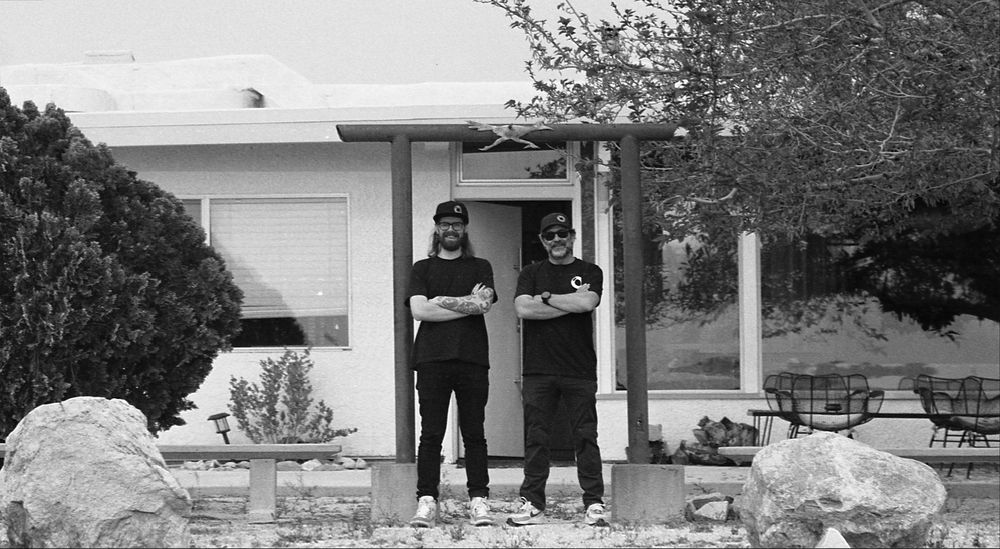
Spotlight on Collaboration: with Louper's Head of Customer Success, Duvan Durand
Spotlight on Collaboration: with Louper's Head of Customer Success, Duvan Durand
Duvan’s experience as an editor and director gives him deep insight into the pain points and workflows of remote post-production. Having recently returned from the 2026 NAB Show, he shares his thoughts on the benefits of live collaboration, the new Louper features he’s excited about, and the trends shaping how teams work today.
You run the majority of demo calls with new and potential users. What are the main reasons they give for switching to Louper from other livestreaming platforms?
With some of the platforms, there’s a barrier to entry in terms of technical setup. The Resolve Remote Monitor is really amazing, it’s a phenomenal tool, but it’s difficult to set up and people can't get their clients to use it, so it’s frustrating.
The thing with Clearview Flex is that you've got to plan in advance: you need to move a physical box to the person that needs to stream. So you can't just quickly change a schedule or jump into a session. We signed quite a big client recently, and they were amazed at how easy it was. Normally they would have to check who’s got the box, walk over, move the box, plug it in. Now they can start the session immediately, it's quite a big change for them.
I also think people really like Louper’s layout and how easy it is. It's not intimidating. And we’re democratizing access to live-streaming: if you don’t need advanced security or Enterprise features, the Studio tier is amazing. It’s really accessible to freelancers and can accommodate mid-sized teams too.

How are VFX teams using Louper?
I recently joined a call with a VFX team that was using our new drawing tool. They were previously on a review platform where they could all look at the same file, but they had to be on a different platform to talk to each other. So it was a really difficult collaboration if they tried to do it live, and the alternative was to wait a day for everyone’s notes to come in asynchronously. Now with Louper, they just load all the files into a Presentation Room and jump in.
The team had to add fire to a sequence. They went shot by shot, drawing intricate maps of where the flames had to be, or where they had to add smoke. Then they'd delegate who in the team would do each shot, and save the note to the file. So it was a huge time-saver, because everyone’s on the same page.
In that collaborative environment, the best ideas come to the forefront. If one person makes a suggestion, that sparks an idea for someone else, people get excited and the end result is going to be better than it would have been. The ability to talk to one another, and feel confident that the people on the other side know exactly what you mean, is phenomenal. Back in the day, somebody would literally walk to the TV and point on it going like, “look here, this needs to change”.
The ability to talk to one another, and feel confident that the people on the other side know exactly what you mean, is phenomenal.
What other new features are you excited about?
I think Drag-and-drop file streaming is really valuable. Again, it helps people know exactly what you’re talking about. I sat in so many meetings, especially working in advertising, where the client would go, “Hey, we did this ad two years ago, can’t we just drop that shot in?” Now, if the client has that file on their desktop and they can just drop it into the call, then all of a sudden everybody in the meeting would see the file and immediately go, “Great, that works” or “No, we can't use that”. The ability to talk about something and show it immediately is super valuable.
The first day we released the drag-and-drop feature, we saw there was a team that streamed 39 individual files like that. We reached out to them, and it was a casting director doing a pre-production meeting and they were sharing casting videos into the call. They could keep the files in folder structures on their machine, without having to upload them to Louper, and stream into the room. They were very happy with it, and it solved a problem that we did not see at all. It’s always nice when you create a feature for a specific problem that you experienced in the industry, and then there's hundreds of people out there that can use it for something else.

It’s always nice when you create a feature for a specific problem that you experienced in the industry, and then there's hundreds of people out there that can use it for something else.
I think Louper has huge value for pre-production, for director’s treatments, for pitching ideas to client.
Yes, because people are trying to do all those meetings in platforms that were created to screen share an Excel spreadsheet. Every time I sat in a Zoom call where somebody tried to screen share a Frame link, it was one of the worst meetings of my life. And if you want to have any opinion, you've got to ask the person screen sharing to go to where you want to be in the file. It's just a frustrating experience.
Zoom or Teams didn’t set out to build a tool for people that work with video and audio. But that is exactly what our goal is: to build a tool specifically for people who work with video or audio and want to talk about it. I think we're moving into a place where it feels so natural to just go into a Louper room and do everything in that space. Whatever you’re talking about is visible for everyone, the work is centralized. It's hugely valuable.
How are teams making use of Presentation Rooms specifically?
I know Bruton Stroube use Presentation Rooms a lot for client-facing reviews. So they’ll set up a Presentation Room with the latest cut and the creatives will present the work to their client, add notes to the file, and then jump back into the working session with the editor in a Livestream Room.
We also had a big corporate join about a year ago. They have a production arm inside of the company. After COVID they went completely remote and just used Review Links on Frame, with no in-person reviews at all. After the first month of using Louper, we had a conversation with the post-team. And the lead editor was almost emotional about how it changed his experience, and how he actually started liking work again. He’s no longer waking up to a barrage of comments and criticism, all of a sudden it felt like he was in-person again. He could talk about his work, there are discussions and interactions. As soon as they’d jump into a call, people would go like, “wow, this was great, thanks for the hard work.” Just a little bit of appreciation, because people don't have the habit of writing good stuff in the comment section.

So it was amazing to see how using Presentation Rooms gave them the ability to connect in their daily life with the people they work with. You spend eight, nine hours a day every day with these people, they are your work-family in a way. And for this team, that had been completely stripped away from them. But when they switched to Louper, all aspects improved: mental health for the editors, the relationship between the people, and in the end, it improves the work too. And from a business point of view, it sped up the process. It saved time because they’re not waiting for comments on a Review Link anymore. If you schedule those calls, the feedback is immediate and then the editors can continue working.
COVID created a lot of bad habits, and people got lazy. You just need to commit to a time to meet, even just half an hour, and then you’ll see how much quicker it is. You can always send a link afterwards for additional comments, but at least get through the meat of the discussion in person.
When they switched to Louper, all aspects improved: mental health for the editors, the relationship between the people, and in the end, it improves the work too. And from a business point of view, it sped up the process. It saved time because they’re not waiting for comments on a Review Link anymore.
I’m sure it makes a huge difference on a sound mix too - it is such a subjective experience. Have you spoken to any teams that are specifically using Louper for sound workflows?
I spoke recently to clients who do audio mixes for long-form in LA. Their turnaround on a Frame Review Link used to be 48 hours, because that’s what the studios were asking for. So the sound team will make changes and then go idle on the job for 2 days while they waited for comments. Now with Louper they do the reviews on a livestream. So they will take a morning, do a complete watch down and make their changes live. If they plan well, they can cut their review time from 48 hours to 6 hours.
Now with Louper they do the reviews on a livestream. So they will take a morning, do a complete watch down and make their changes live. If they plan well, they can cut their review time from 48 hours to 6 hours.
I know the team at Picture Shop in Toronto have found a way to stream their Dolby Atmos mix as a binaural feed, then the producers join the session with specific headphones so they can accurately judge the mix. They use a plugin that can do the conversion for them live. So that was really interesting to hear.
We've now got an Auto-ducking mic setting in the Room, which makes hosting much easier. I think that's going to be really useful for clients in hybrid-sessions too. We want to strip the unnecessary "noise" out of our sessions, get rid of creatives having to say "you’re on mute" or "I can’t see what you’re talking about" over and over again. Many of our new features are designed to solve these exact frustrations. They might seem like small changes, but they have a massive long-term impact on the people, and therefore the work. With Louper you can hear the client again, see their enthusiasm, you feed off each another's energy.
In your calls, what is the most important aspect of Louper that you’re trying to get across?
Everything I'm trying to drive at the moment is how we can take away any doubt between people in a session. Like the fact that you can just tap on the screen, and highlight exactly which detail you're talking about. You are always in sync. Whether it's a file or a livestream or a screen share, the focus is purely on the work - you are talking and showing at the same time, you’re never misunderstood. It’s a very interactive way of working, I think people really like that.
You are always in sync. Whether it's a file or a livestream or a screen share, the focus is purely on the work - you are talking and showing at the same time, you’re never misunderstood.
You started out as an editor over 20 years ago, when review sessions were always with the director or agency creatives in the room with you. What was that like?
Some of my best memories of working in the industry were working with the agencies. Especially during award season, where you would hash out those edits together at three o'clock in the morning. And you’d celebrate a breakthrough like “That's it! Now we're telling the story!” And when something clicks, you all get goosebumps. There's some real emotion there. I've never experienced that with a comment section on Frame. There's no feeling to it, it’s just an instruction.
The Review Link is a phenomenal tool for reviewing very specific tasks for you to execute, like when a client needs to review 10 versions of a cut with disclaimers for different regions, for example. But so many people just use it for everything: they’ve taken that tool and tried to implement it on the storytelling part of a cut. That should be where you’re working together, trying to discover the pace and character, but now they’re watching it on their own, typing messages.
A good editor will always look at every single option, will test everything and made the right decision according to the restrictions that they have. If you're getting all this async feedback on stuff that you know you have already tried, that just eats away at editors. I think it's not a good environment for collaboration, especially in the storytelling phase of the edit. As an editor, you have a finite amount of energy per project before you run out. A purely async workflow eats up that energy quite quickly.
As an editor, you have a finite amount of energy per project before you run out. A purely async workflow eats up that energy quite quickly.
What does Louper offer that other that other platforms don’t?
Most people still come to Louper for live streaming, but there's this grey area in between sync and async that we are building tools for, so you can work however you want to. If you want to jump in a livestream with a client, you do that. If your client wants to just stream a file from their desktop into a Room, they can do that. If you want to share a Review Link, or load files into a Presentation Room you can do that too. You can get your clients in a better environment to view your work, and bring back the collaborative part of it.
You can get your clients in a better environment to view your work, and bring back the collaborative part of it.
A huge benefit of live sessions is that you get to know the people you're working with. Otherwise it's just a name on a comment and you might never actually meet the creative director, or the showrunner if you’re on a series.
There's something about sitting together with people that's magic. Throughout my career, I can point to people that I worked with, people that had an influence on me and made me a better creative, a better editor or director and made me produce better work. Young people should be able to tell the same story today, to have the same relationships. With Louper, you can do that without the cost and the infrastructure that was needed back in the day.

Duvan with Alex Williams, Louper co-founder and CEO
I know there are people that are sitting for hours and hours cutting the storyline on a series, making sure that the thing is perfect. I know those teams play the cut over and over again, just obsessing over the edit, over the grade, over the sound… for the people who are crafting, it's not just about the approval of the client. It's the personal self-approval like, “I'm not happy with it yet. I'm going to work until I'm happy with it”.
It's those people that I feel like this new workflow is built for. That’s what Presentation Rooms should be, that’s what the livestream session should be. Bring that collaboration back without having to spend the time or money on travel. Just jump into a Room, and bring people back together.
Duvan Durand is the Head of Customer Success at Louper.
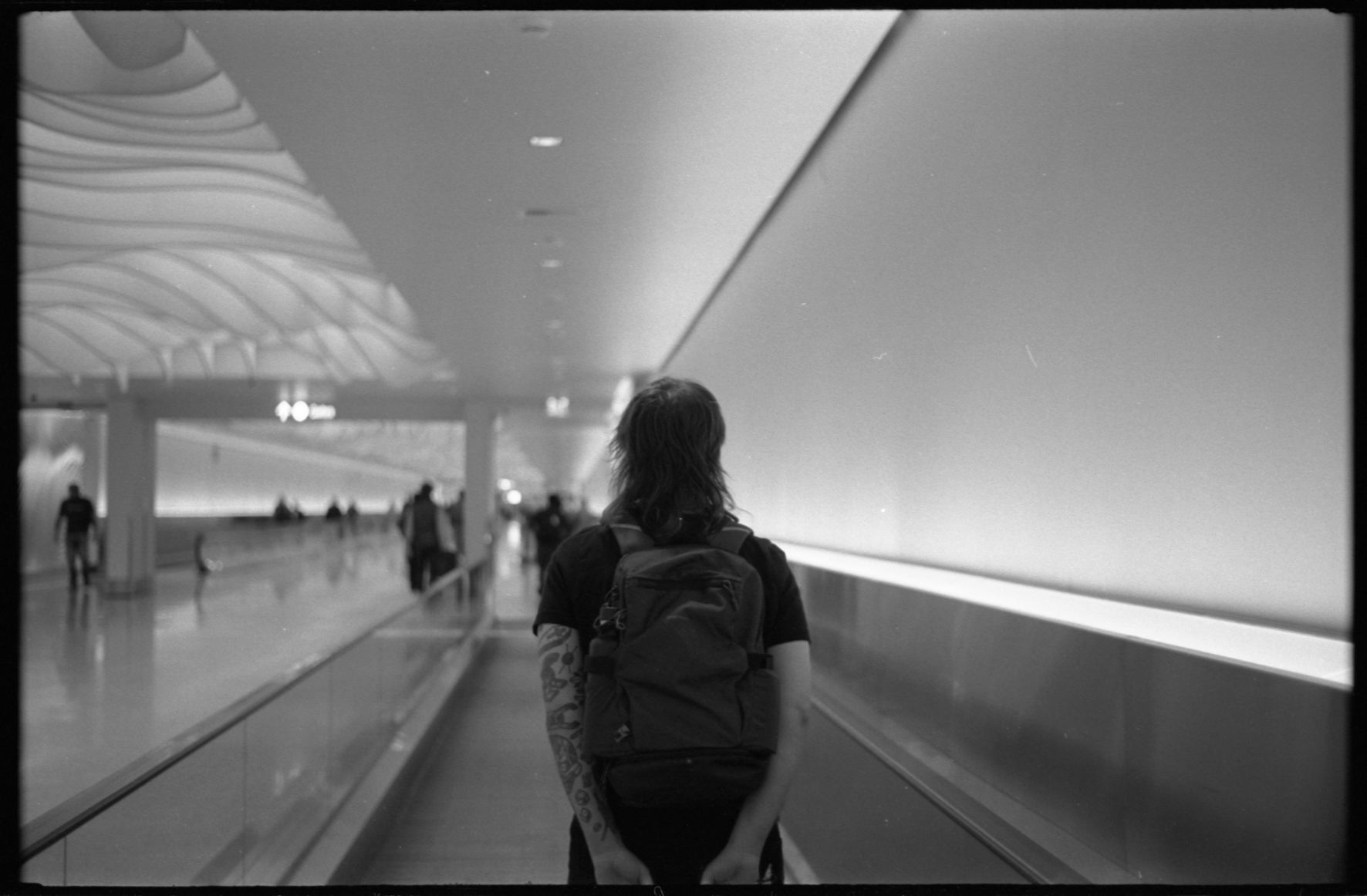
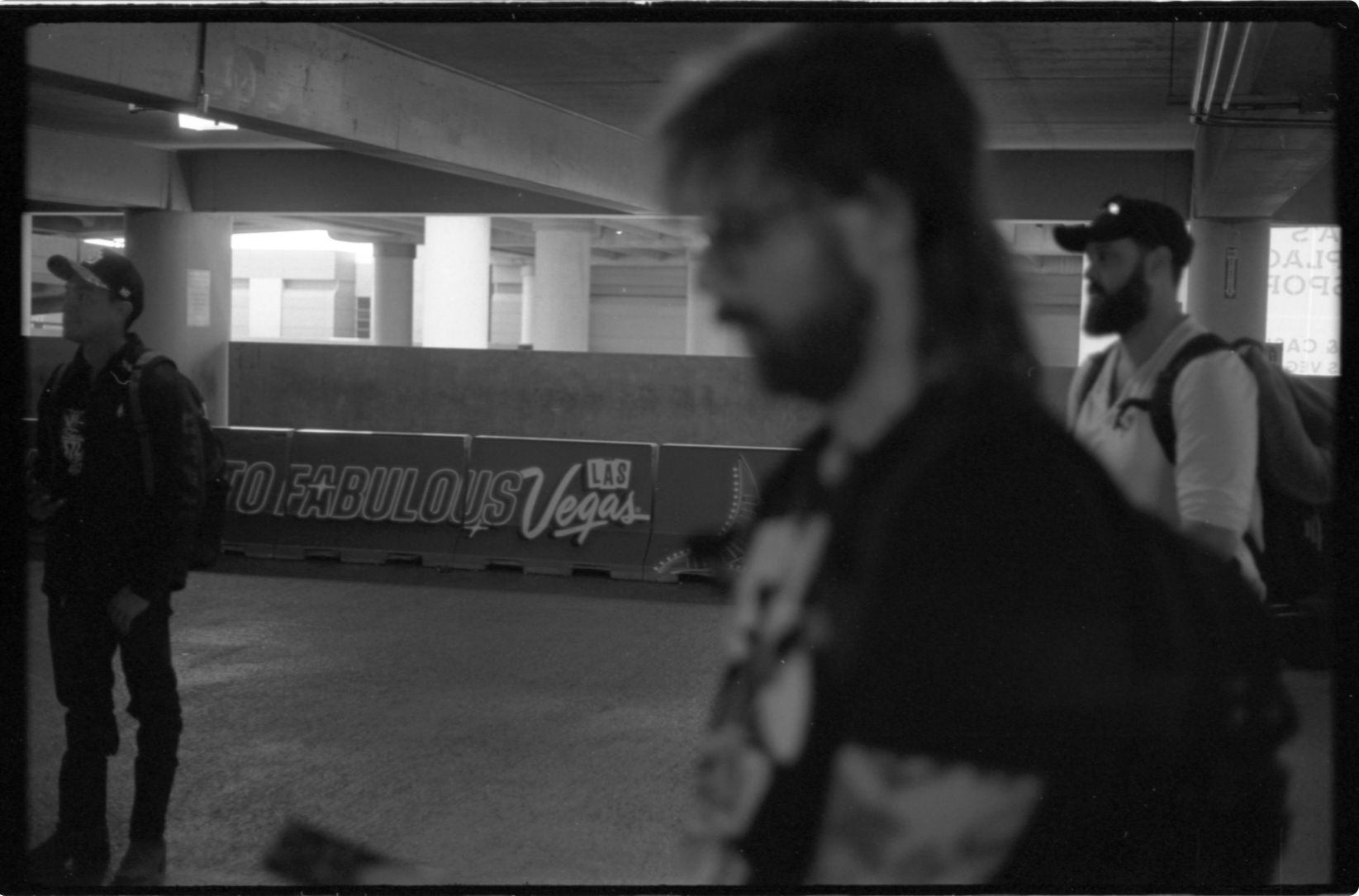
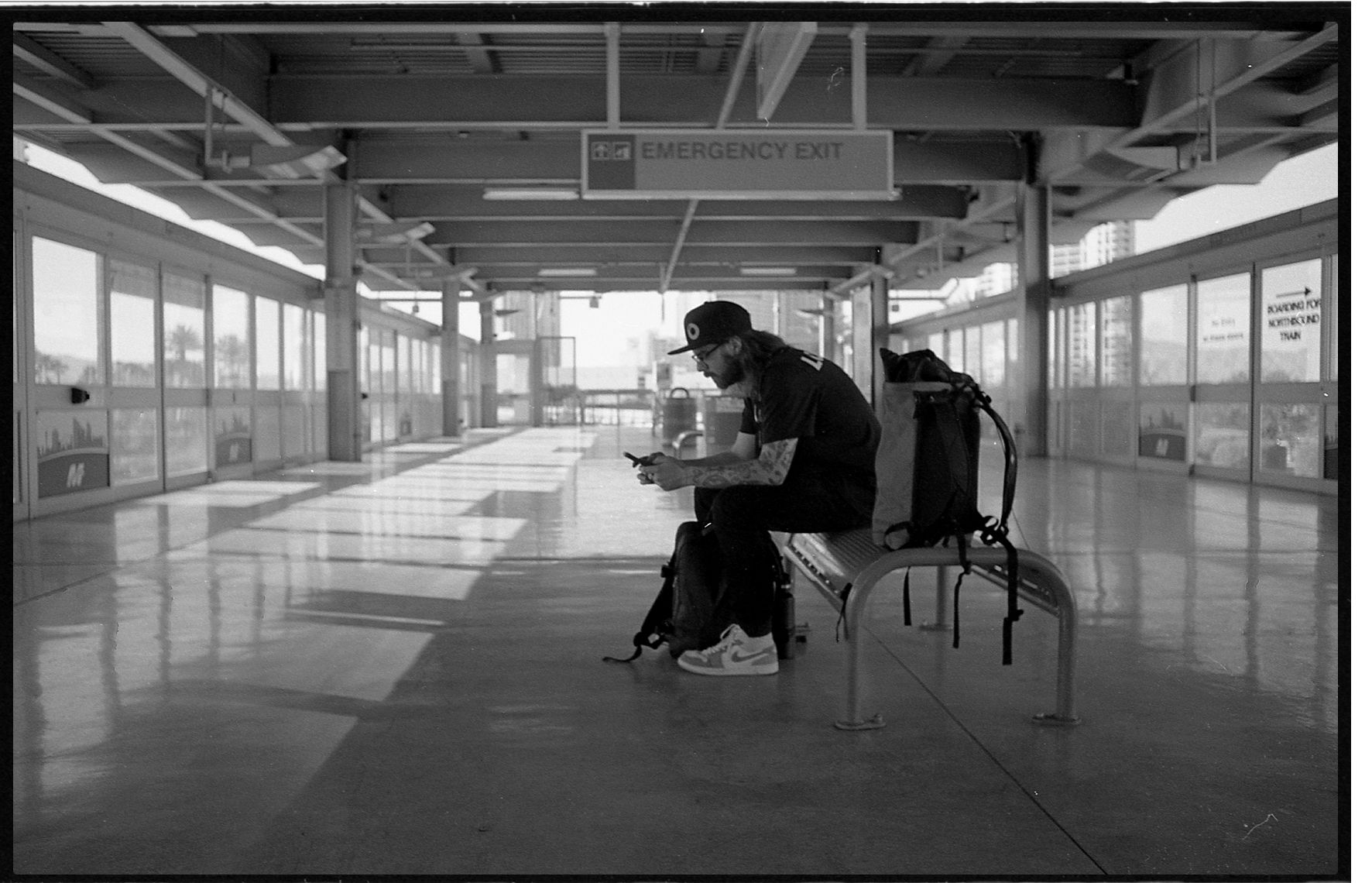
All images of Las Vegas taken by Duvan during the NAB Show.

Use Louper to stream and collaborate on live shoots, edit sessions, vfx reviews and more - securely and in seriously high quality.

