Reimagining Gilead: Joe Morrow on the Mix of The Testaments
Reimagining Gilead: Joe Morrow on the Mix of The Testaments
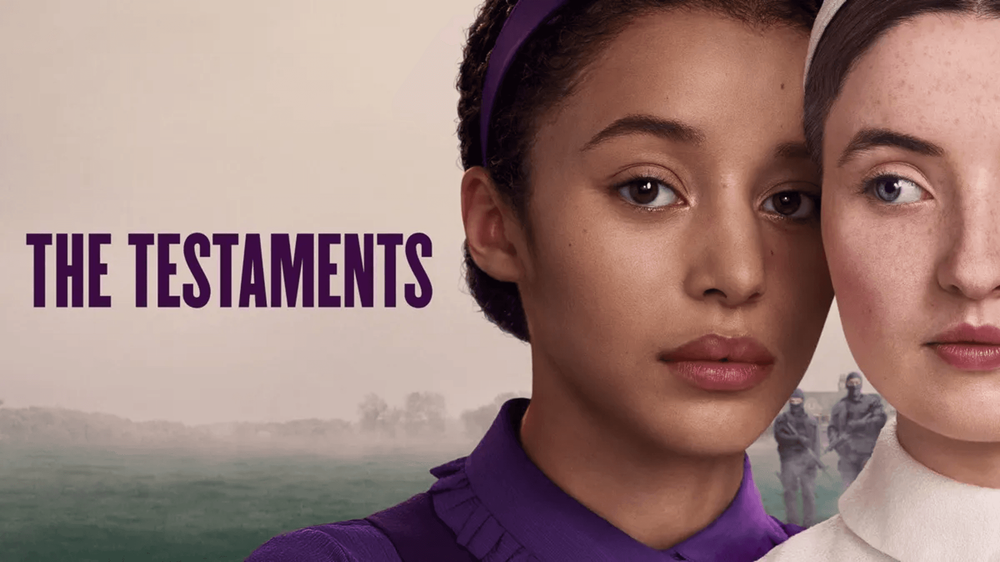
Hulu’s The Testaments, based on the Margaret Atwood novel, picks up a few years after the end of The Handmaid’s Tale. Re-recording mixer Joe Morrow shares how the sound team brought the sonic world of Gilead back to life from a new perspective - that of the teenage girls primed to marry the most powerful Commanders in the Republic.
The first episode of a new show is always going to have a freshness to it, as the audience experiences new characters, and discovers the world the story is set in. How did you approach the mix, given that this is a new show, but still set in the world of Gilead?
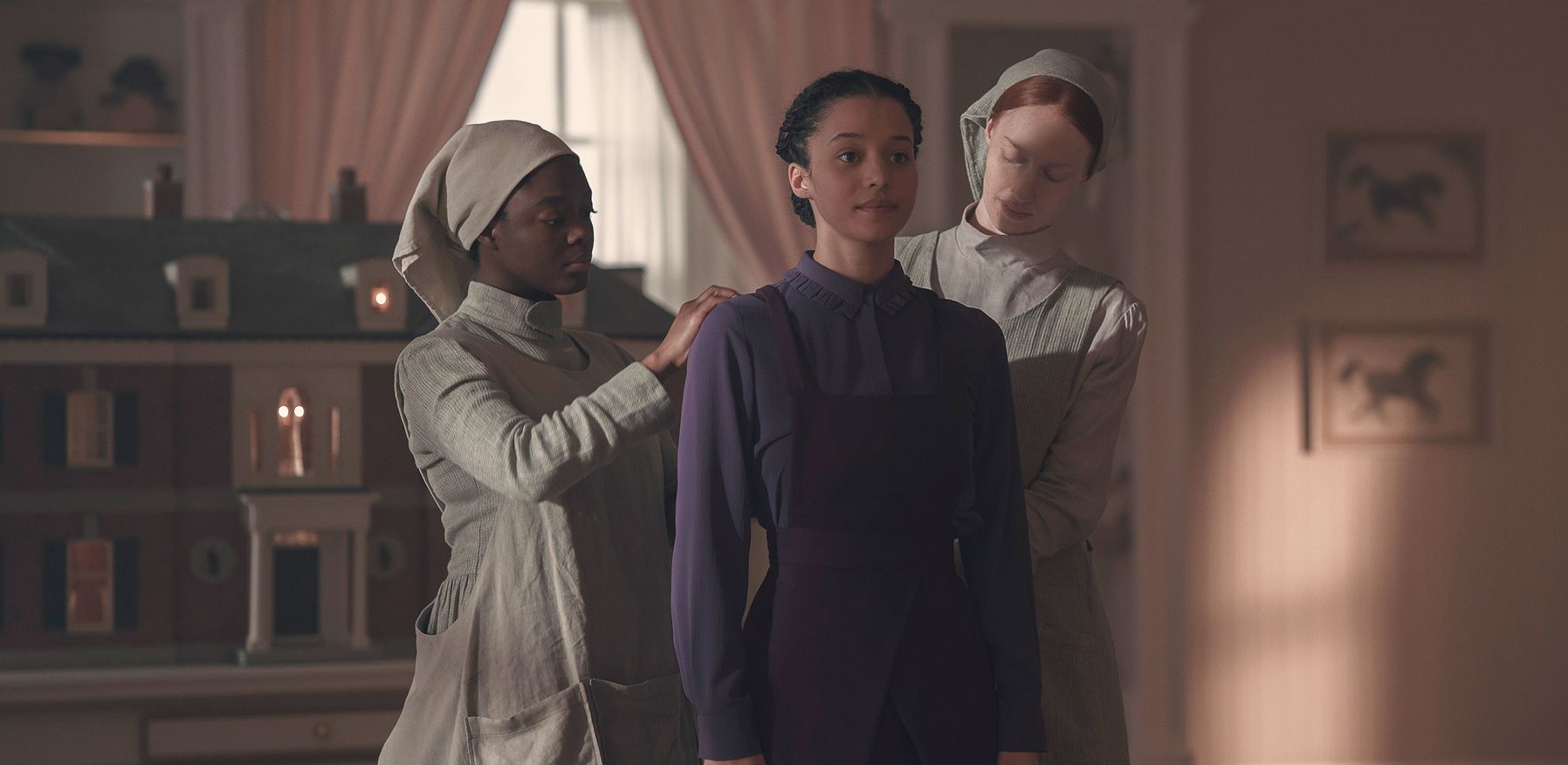
Viewers coming from The Handmaid’s Tale will immediately sense that The Testaments marks a significant tonal shift. Gone are the deep crimson reds, dimly lit rooms, and blatant oppressive overtones. The audience is instantly hit with fresh new color - a pastel palette of pinks and purples, bright rooms filled with natural light, and a new sense of hope. Life appears stable, even privileged, for these young women in Gilead. We took our cues for the sound mix directly from these visual elements, starting with the most subtle details.
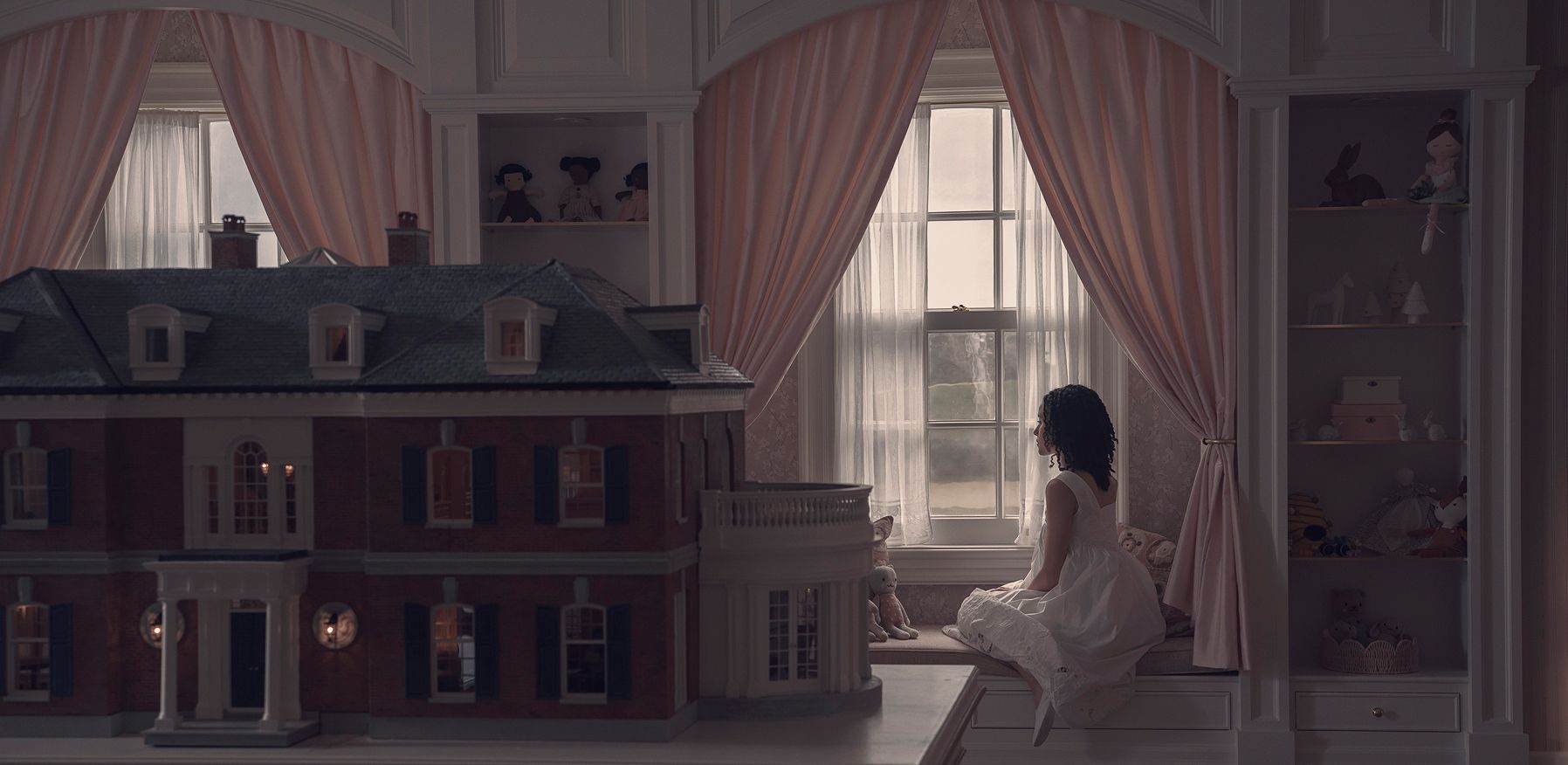
In The Handmaid's Tale, especially the earlier seasons, I was often playing Gilead room tones in a very thick, claustrophobic, and onerous way. I would do little things like pitch and EQ the handmaids’ cloak movements to feel weighted, like a burden on the shoulders. The Waterford house would constantly moan and creak underfoot, reminding us we are stuck in this place with Offred - trapped.
Those same techniques are largely absent in The Testaments. The background world we hear is much lighter - with pretty birdsong soundtracking most of the scenes. Background chatter is no longer hushed and controlled but boisterous and carefree; even gentle winds have a sweetness to them.
Gone are the deep crimson reds, dimly lit rooms, and blatant oppressive overtones. The audience is instantly hit with fresh new color - a pastel palette of pinks and purples, bright rooms filled with natural light, and a new sense of hope. We took our cues for the sound mix directly from these visual elements, starting with the most subtle details.
The premiere episode of The Testaments especially sets up the premise that this is a different side of Gilead. We are experiencing it through the eyes of teenagers who grew up within the system, afforded its luxuries, and, crucially, lack the perspective to question the world shaping them (at least for now).
Superficially, Gilead harkens back to a traditional, seemingly peaceful way of life, but this surface-level calm is underpinned by extreme violence and fear. Can you talk about the ways in which the sound design and music choices sonically hint at or expose this juxtaposition?
This fresh approach to Gilead sounds beautiful on the surface - but of course, we're still in Gilead, and no amount of grace and calm can ever be what it seems. The score is a perfect reflection of this contrast. Our composer, Adam Taylor, masterfully balances that exact juxtaposition - expertly weaving tension-filled drones beneath graceful orchestral arrangements. Even in the most beautiful cues, there is often an undercurrent of unease, a quiet reminder that something darker is always present.
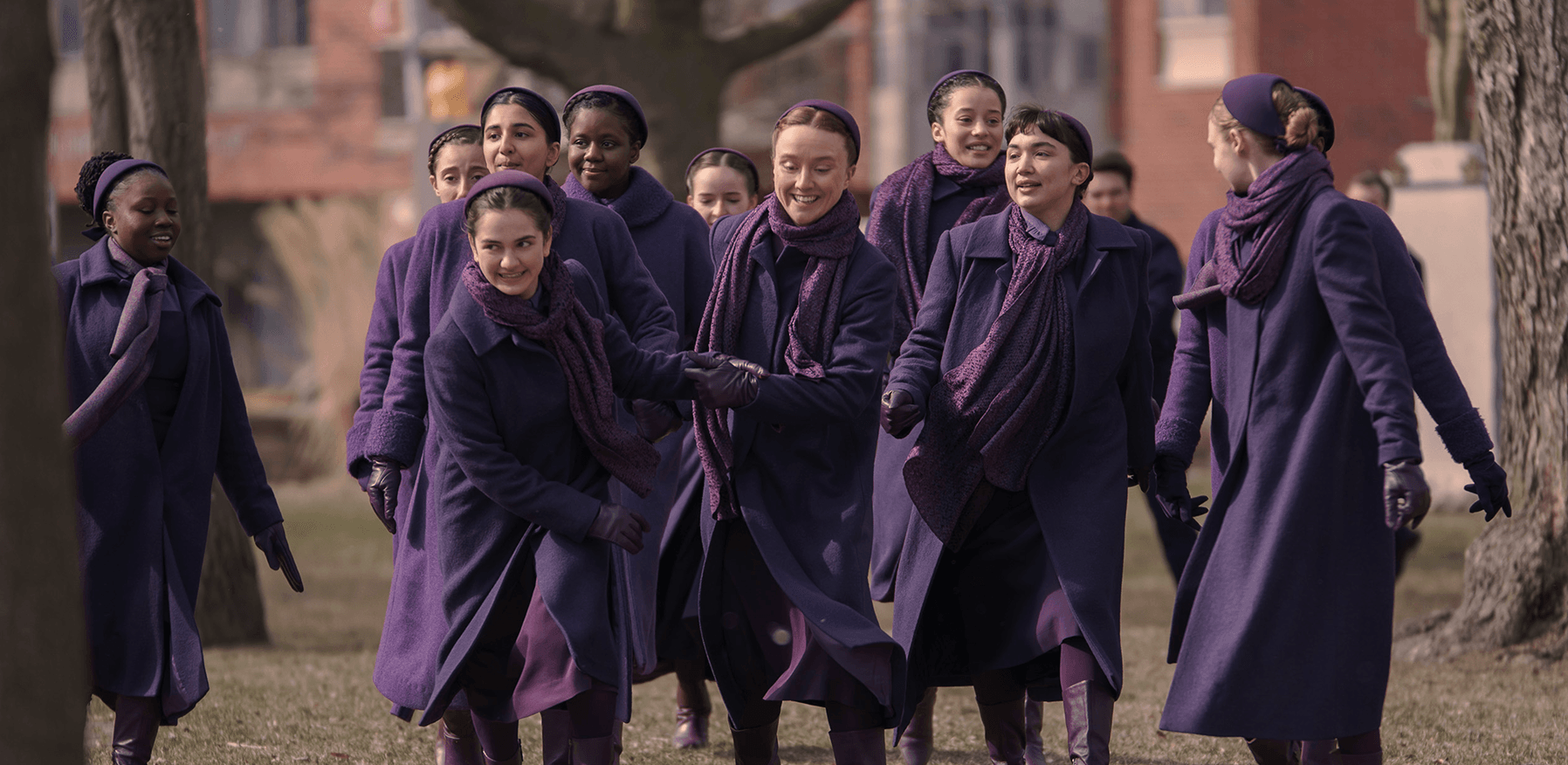
Beyond the score, the song choices have often struck me as an especially effective expression of that duality. In the first episode, there's a montage of the Plums playing tag in the park - laughing, carefree, having the time of their lives… while Blondie's seemingly euphoric Dreaming belts out over the scene. On the surface, it feels like a snapshot of innocent teenage joy. But the song itself hints at something more complicated: the rift between fantasy and reality, and the idea that the dream is always more appealing than the truth. At this stage in their lives, these young women are still living inside that dream world, sheltered from the harsher realities of the system around them, unaware of what may be waiting for them. That juxtaposition - polite and peaceful innocence layered over oppressive violence - is at the heart of the scene. And it's where music can say what the visuals alone cannot.
This fresh approach to Gilead sounds beautiful on the surface - but of course, we're still in Gilead, and no amount of grace and calm can ever be what it seems. Even in the most beautiful cues, there is often an undercurrent of unease, a quiet reminder that something darker is always present.
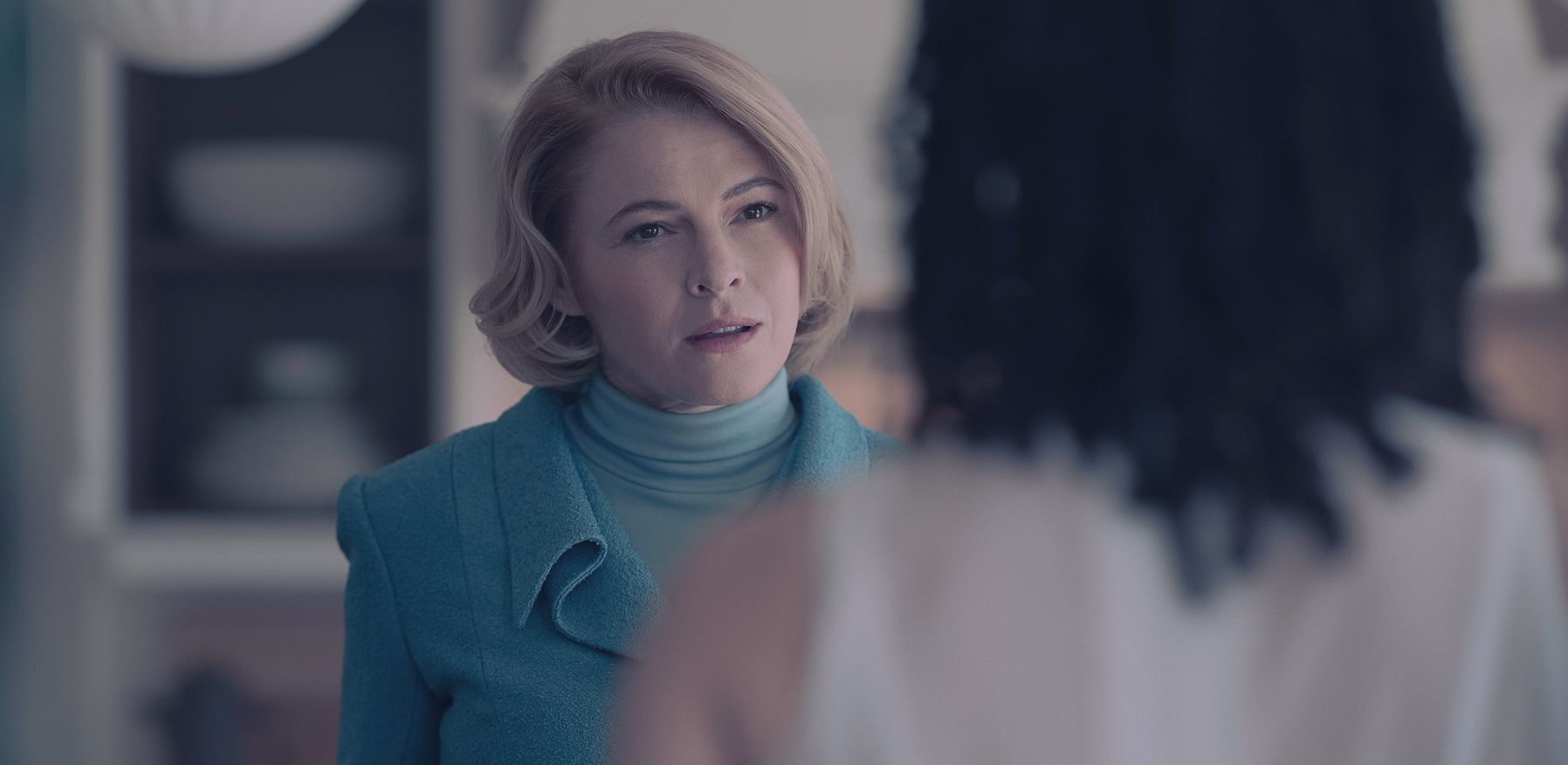
When Agnes is in the kitchen with the Marthas, there’s a warmth to the sounds in the room; it feels like a home. But as soon as Paula steps into the kitchen, the ambience changes, her footsteps echo and it’s as if the air in the room suddenly becomes cold. The mix supported these sudden changes in mood so beautifully.
I love that you picked up on those details - this is exactly what we were going for! One of the integral ways we shift mood and create tension when mixing this show is by simplifying the soundtrack and stripping it back to only the most essential, affecting details.
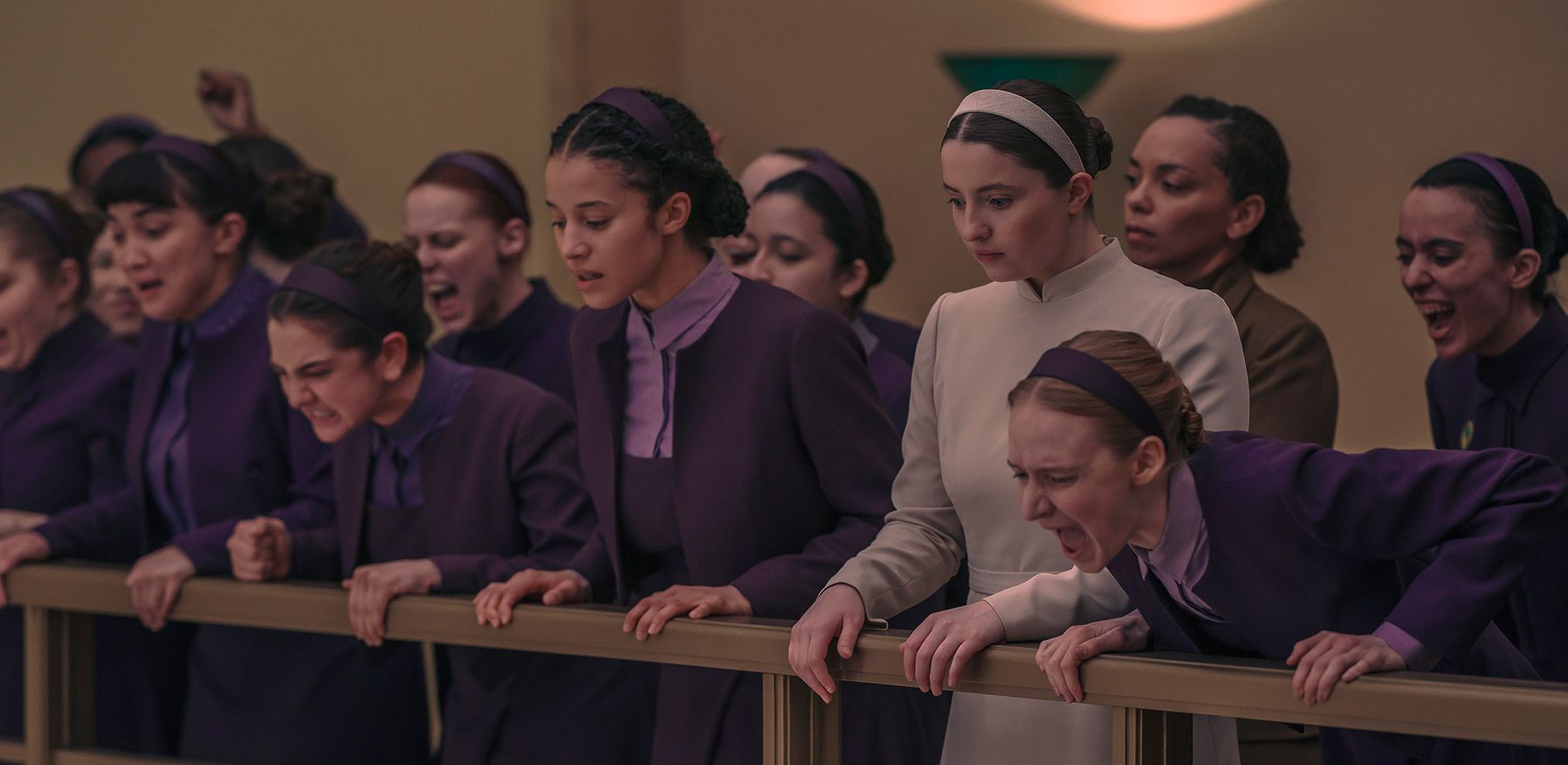
A good example is in Episode 5, Ball. For most of the episode, we're inside Gilead’s version of a prom, where every scene is full of life and activity. There are always people around you - voices drifting from across the room or down the hall, footsteps passing by, applause between dance numbers, movement and energy in every space, even bleeding through walls and doors. That constant social presence creates a sense of environment and community surrounding us.
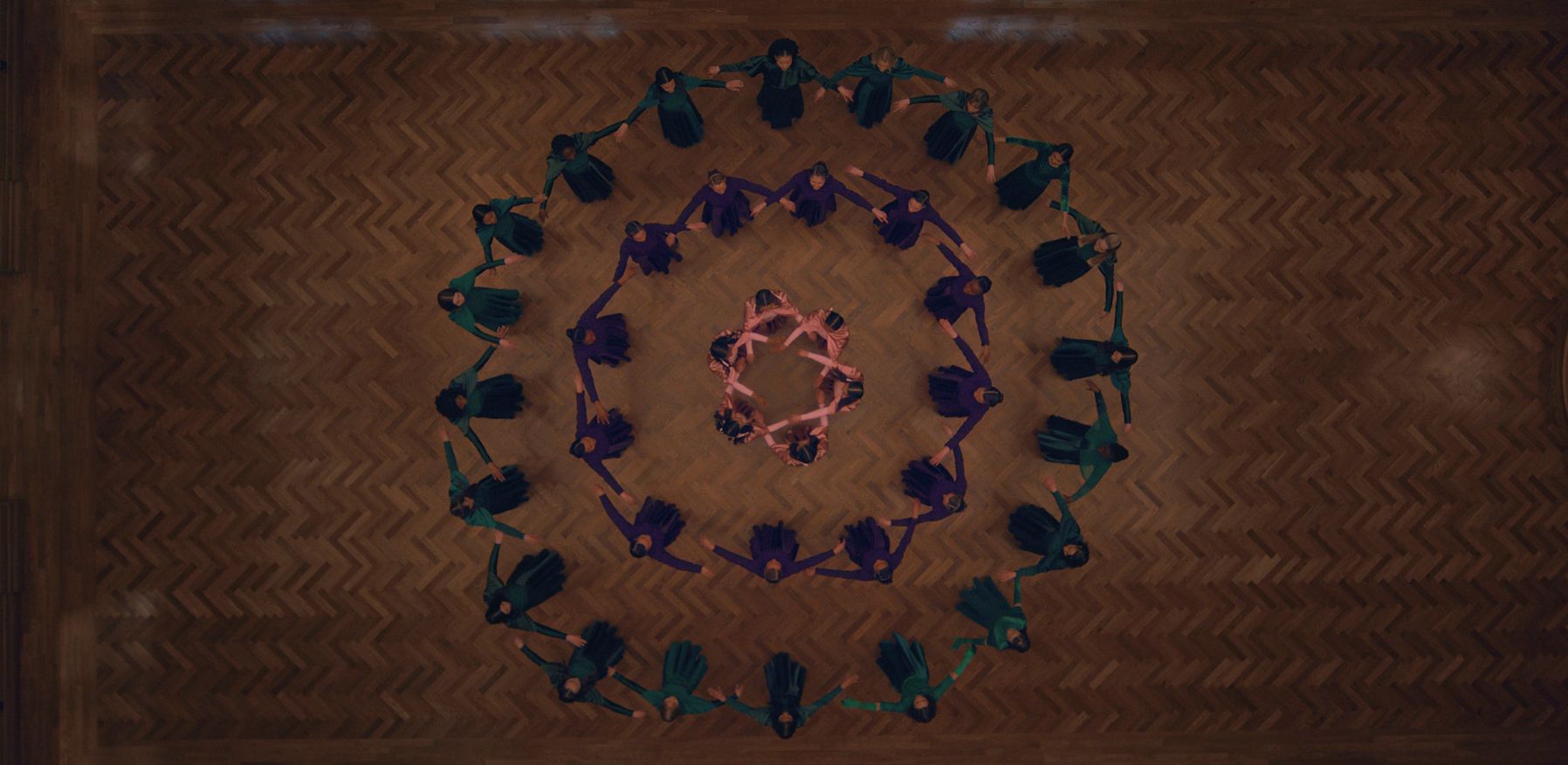
Then, in one of the final scenes, Agnes is brought into a room to be interrogated by potential suitors over a Zoom call. The moment the door closes, the outside world disappears. It’s the only time in the episode where we hear nothing beyond the room itself. Suddenly, we’re left with just the low rumble of a cold, empty space as Agnes sits alone under a spotlight - both literally and figuratively - in the deeply uncomfortable position of facing these much older, imposing Commanders.
That contrast is what makes the moment so unsettling. By taking away the warmth, activity, and human presence that surrounded her before, the sound mix helps the audience feel her isolation and anxiety instantly. It’s a reminder that tension or fear often comes not from how much you hear, but from what you suddenly don't.
By taking away the warmth, activity, and human presence that surrounded her before, the sound mix helps the audience feel her isolation and anxiety instantly. It’s a reminder that tension or fear often comes not from how much you hear, but from what you suddenly don't.
What was your experience livestreaming with Louper for The Testaments?
We used Louper for every mix playback, often streaming to multiple countries at once. We mixed the show in Toronto; our showrunner, composer, and several of our executive producers are based in Los Angeles but often traveling elsewhere, and one of the directors is in England. With a team spread across so many locations, Louper has been vital in keeping everyone connected and creatively involved in the mixing process.
Being able to play back mix updates immediately while discussing them in real time on the same platform makes the workflow far more efficient for everyone involved. Notes can be addressed instantly, creative conversations happen naturally, and decisions that might once have taken days of back-and-forth can happen in a single session.
We use Louper for every mix playback, often streaming to multiple countries at once. Louper has been vital in keeping everyone connected and creatively involved in the mixing process. Notes can be addressed instantly, creative conversations happen naturally, and decisions that might once have taken days of back-and-forth can happen in a single session.
Our experience using the platform on The Testaments has been extremely positive. It has become an essential tool for remote collaboration, especially on projects where key creative voices are working across different cities and time zones.
Joe Morrow is a re-recording mixer at Picture Shop in Toronto.
The Testaments is streaming on Hulu and Hulu on Disney+
Supervising Sound Designer: Jane Tattersall Supervising Dialogue Editor: David McCallum Re-Recording Mixers: Joe Morrow, Lou Solakofski, Will Stephens. Assistant Mixer: Lucan Cecchetti. Sound Designer: Brennan Mercer. Music Composer: Adam Taylor. SFX Editor: David Caporale. Dialogue Editor: Krystin Hunter. Assistant Sound Editors: Nadya Hanlon, Abby Austria. Audio Coordinator: Dylan Lewis
Created by: Bruce Miller. Executive produced by: Bruce Miller, Warren Littlefield, Elisabeth Moss, Steve Stark, Shana Stein, Maya Goldsmith, John Weber, Sheila Hockin, Daniel Wilson, Fran Sears and Mike Barker.
Cast: Ann Dowd, Chase Infiniti, Lucy Halliday, Mabel Li, Amy Seimetz, Brad Alexander, Rowan Blanchard, Mattea Conforti, Zarrin Darnell-Martin, Eva Foote, Isolde Ardies, Shechinah Mpumlwana, Birva Pandya and Kira Guloien.
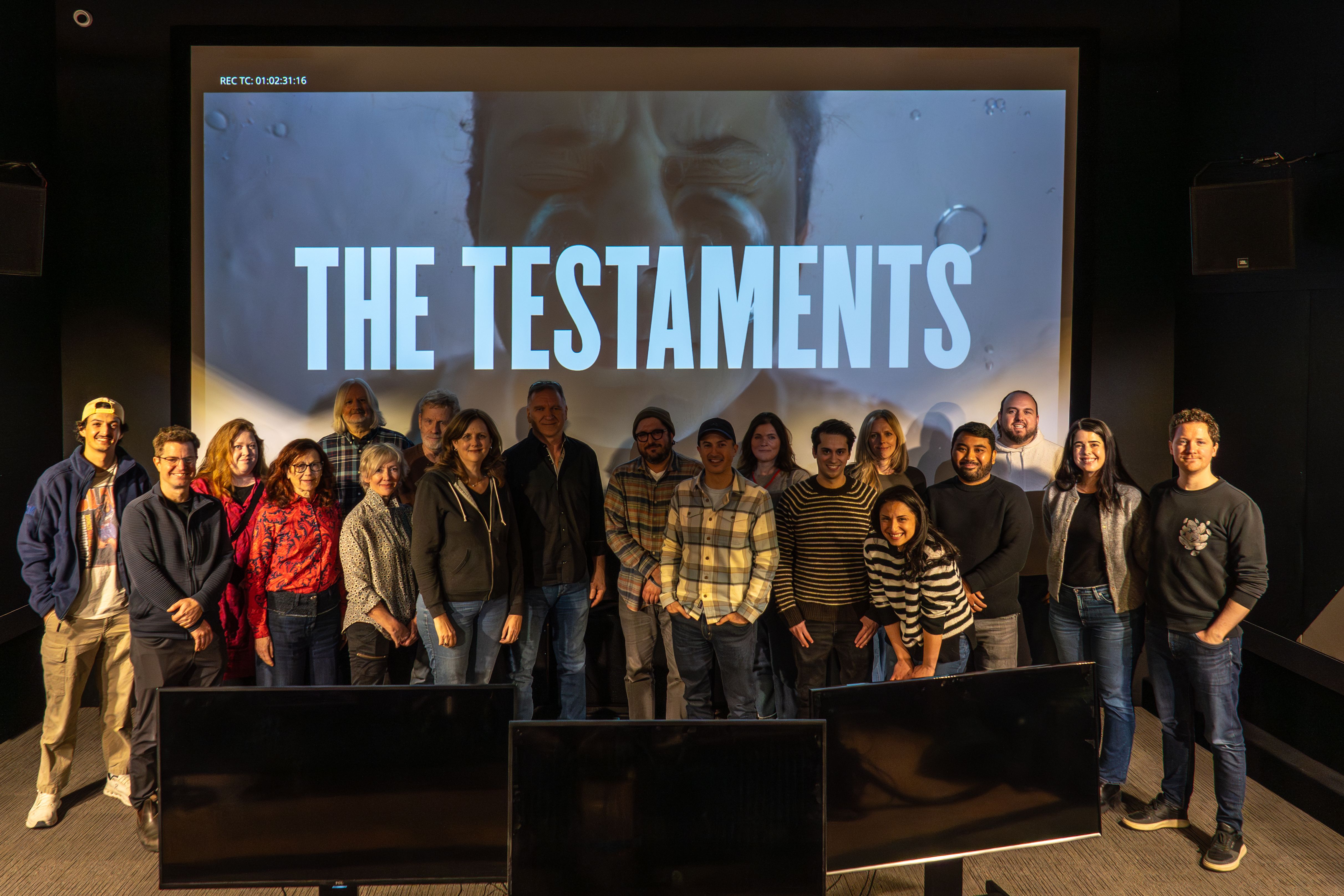
Joe and the team at Picture Shop used Louper to stream their mix playback for The Testaments. See how to set up a Louper livestream from Pro Tools using Blackmagic Hardware, or a Pro Tools Audio Bridge.

Use Louper to stream and collaborate on live shoots, edit sessions, vfx reviews and more - securely and in seriously high quality.

