How Green Day’s Music Shaped the Edit of Nimrods
How Green Day’s Music Shaped the Edit of Nimrods
Editor Ryan Brown had access to Green Day’s full music archive while cutting Lee Kirk’s latest film. He shares how integral the music was to the edit and how Louper shaped their remote collaboration on the project.
How did the idea for Nimrods come about?
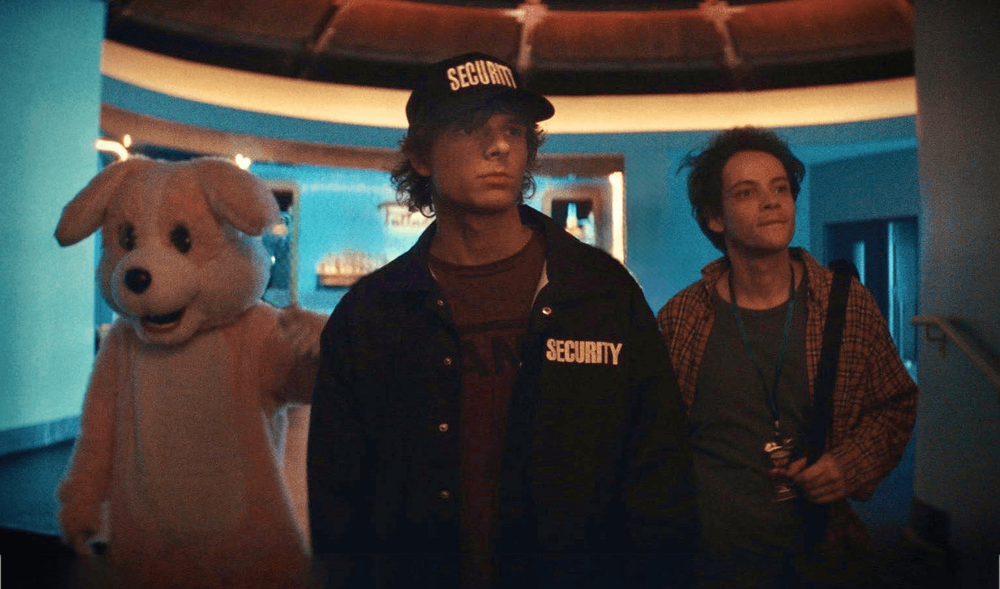
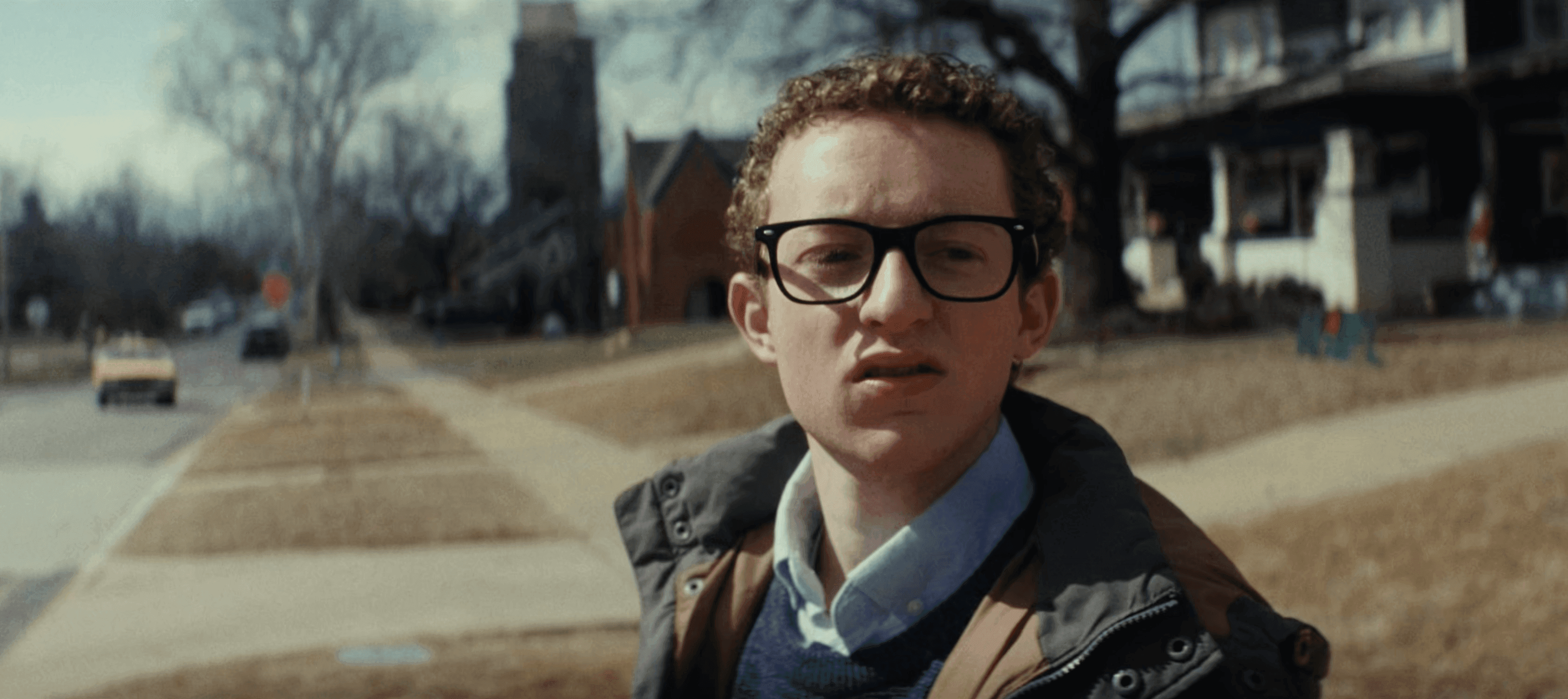
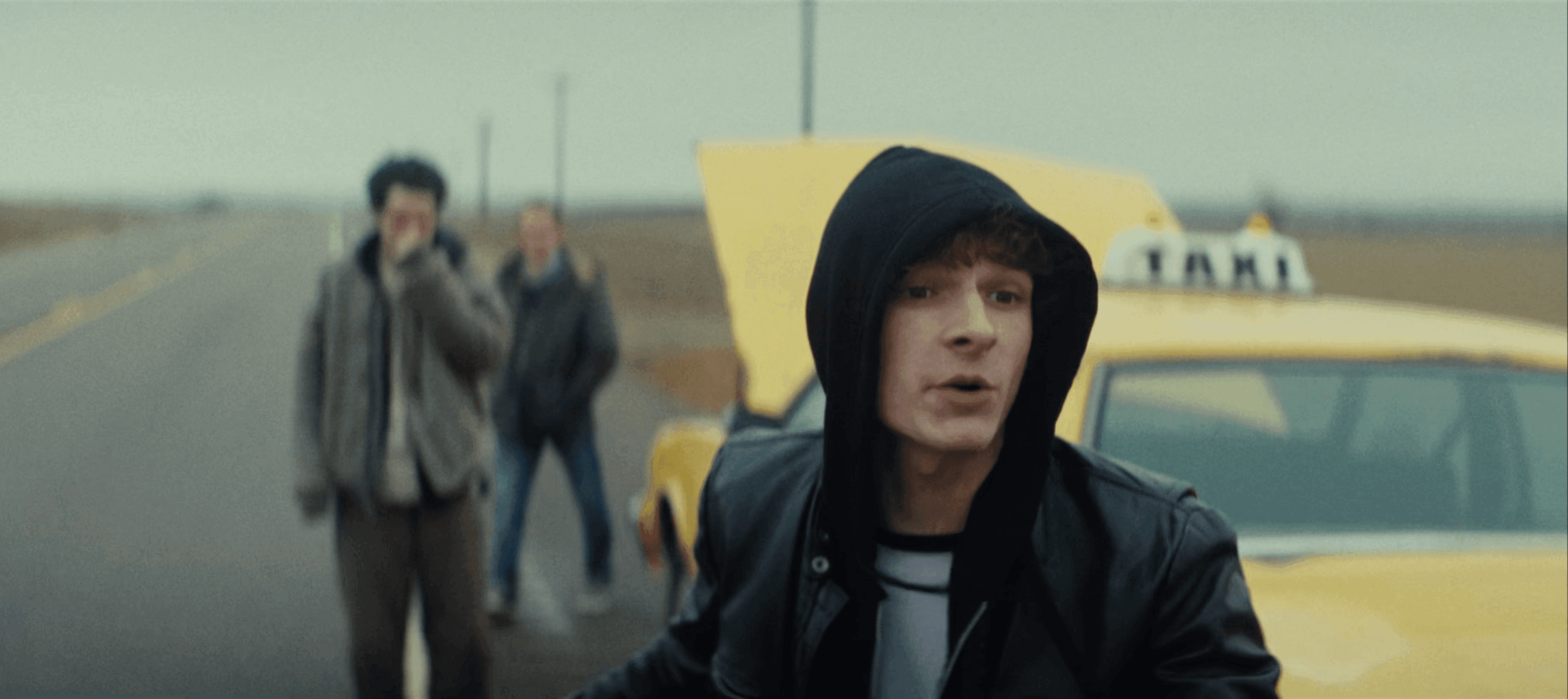
Billie Joe from the band had acted in one of Lee Kirk's previous movies so they were friends. They were kicking around the idea of doing a movie together: Billie Joe wanted to do a movie about New Year’s and Lee went off and wrote the script. It’s a fun road trip comedy, culminating in a big show in Los Angeles on New Year's Eve.
This movie is not about Green Day, but there are a lot of moments in the film that were taken from their time touring before they got super famous. And so there's all these little Easter eggs that Green Day fans are really going to flip out over to see in the film.
What was it like working with Green Day’s music on the cut?
We had access to Green Day's entire catalog, decades of music, which was so fun. There are moments in the film where specific songs are written into the script, but there were a number of scenes where we did play around and experiment with different tracks. I’ve listened to a lot of Green Day, but even then they just have so many albums and B-sides I hadn't heard before so it was really cool.
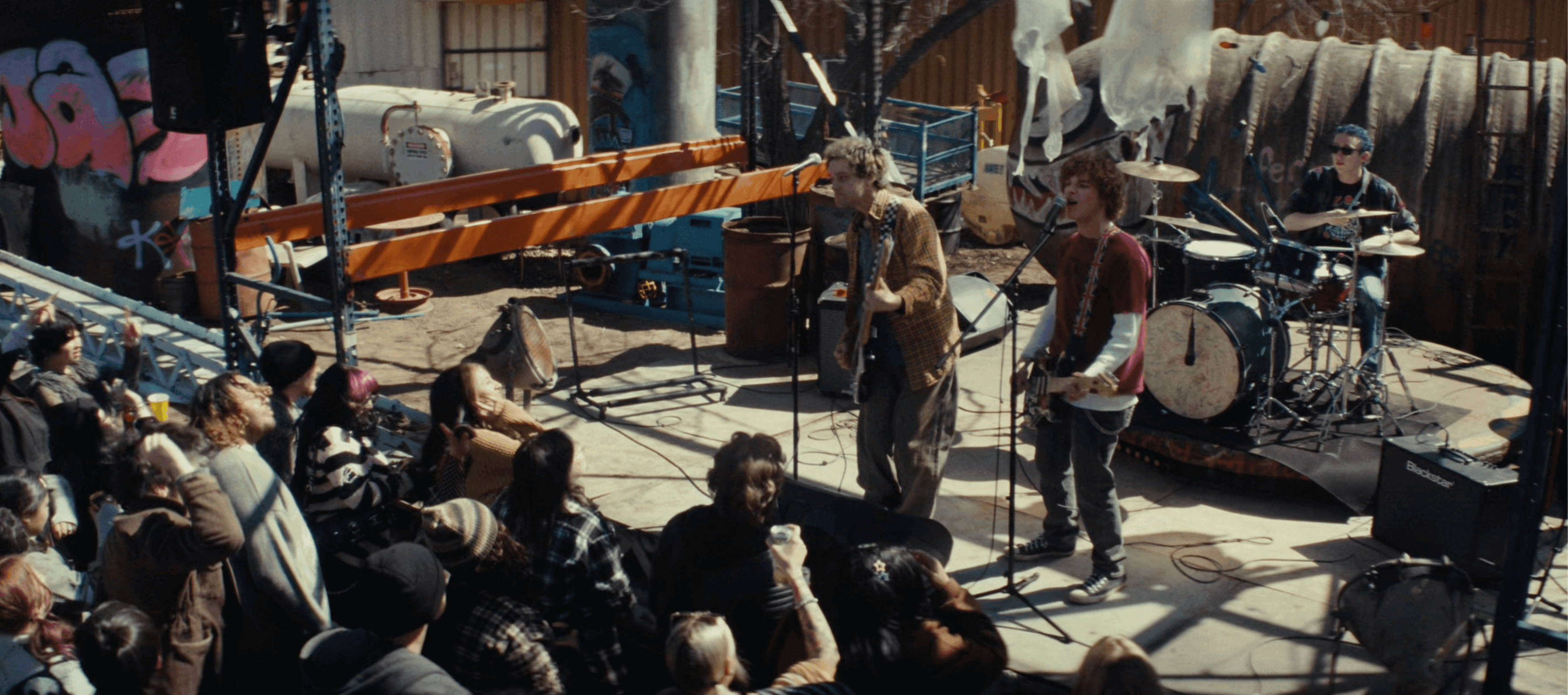
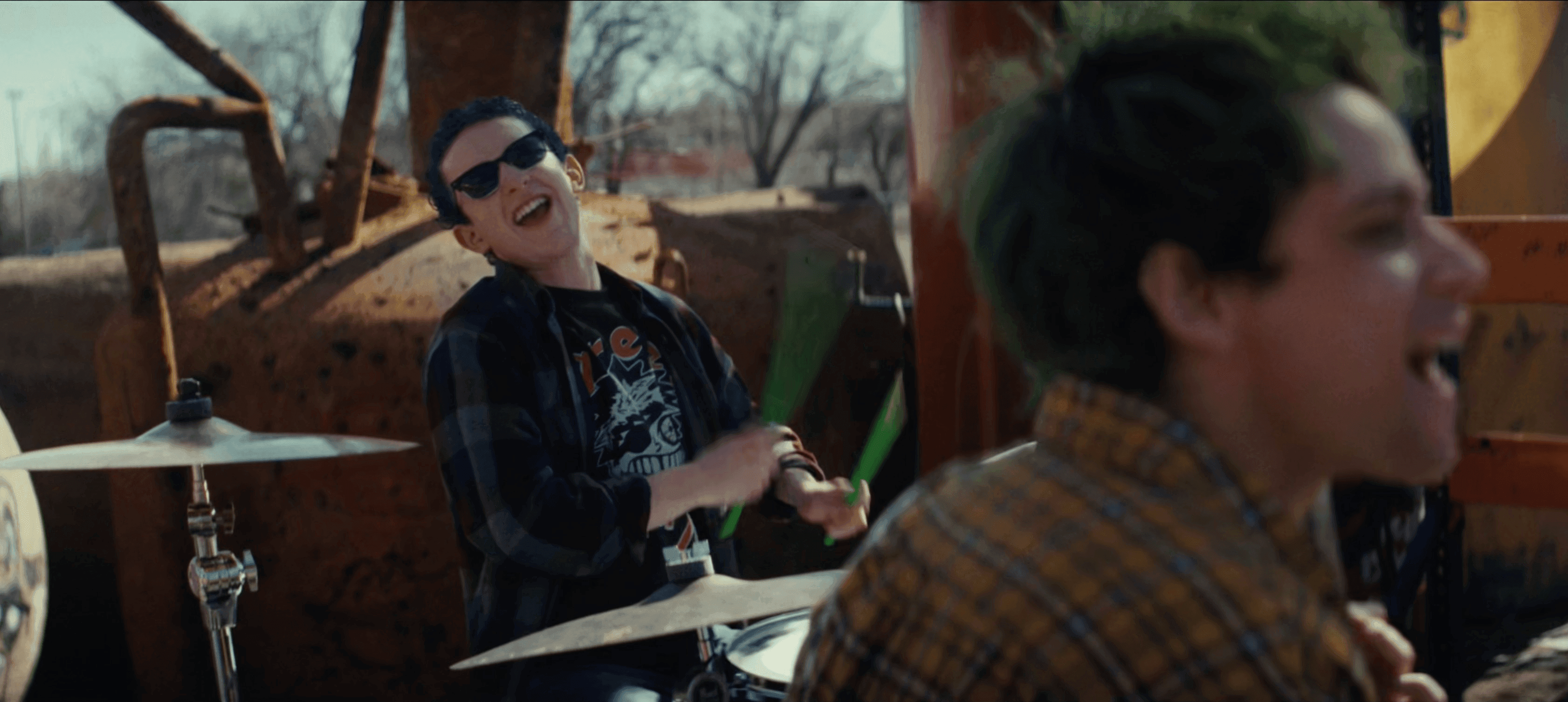
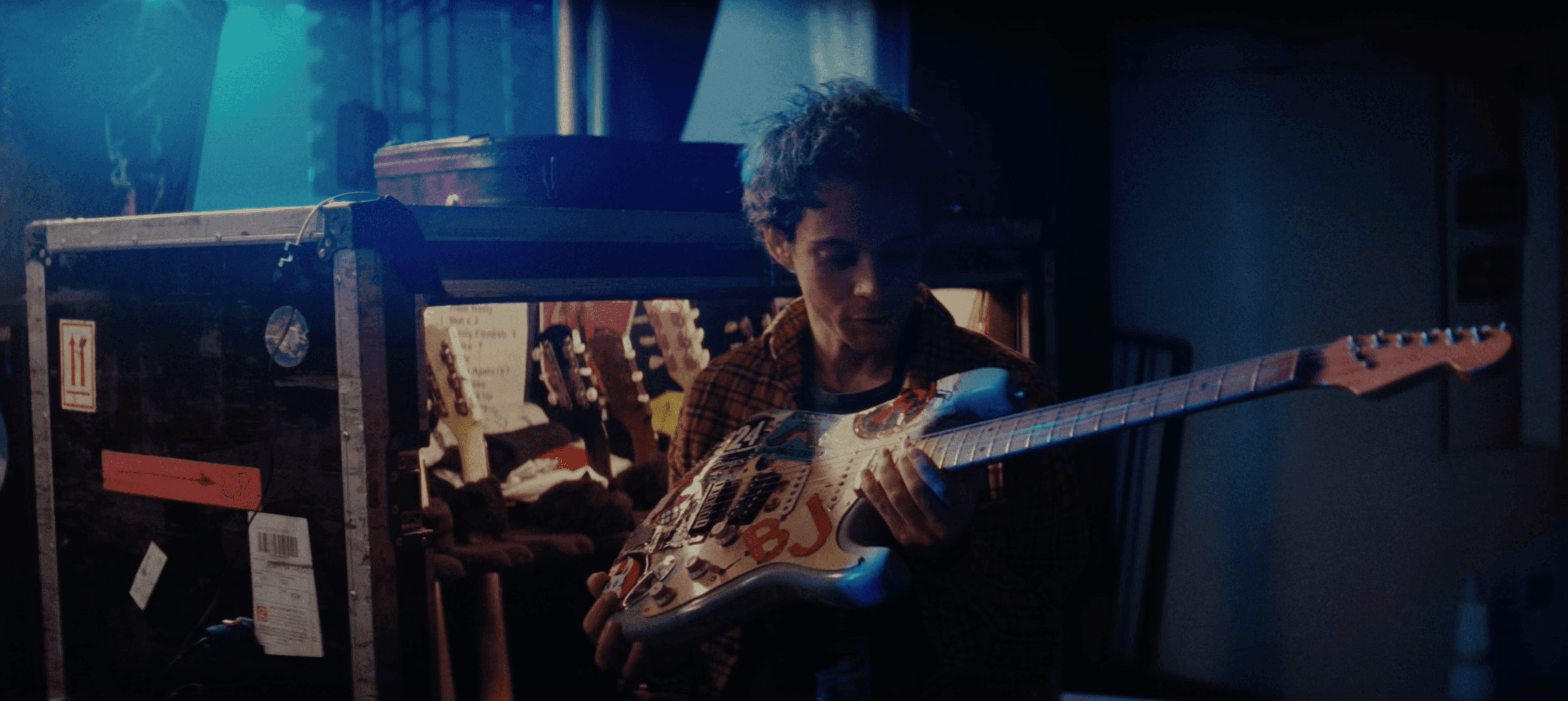
There's so much music, and so many musical performances in this film. The kids in the movie are in a punk band, The Analog Dogs, and there's a big sequence where they play at this underground punk venue, and there are all these different bands playing. Billie Joe's son actually wrote the music for their band, and he plays guitar in a scene with one of the other bands. So this film is a real family affair!
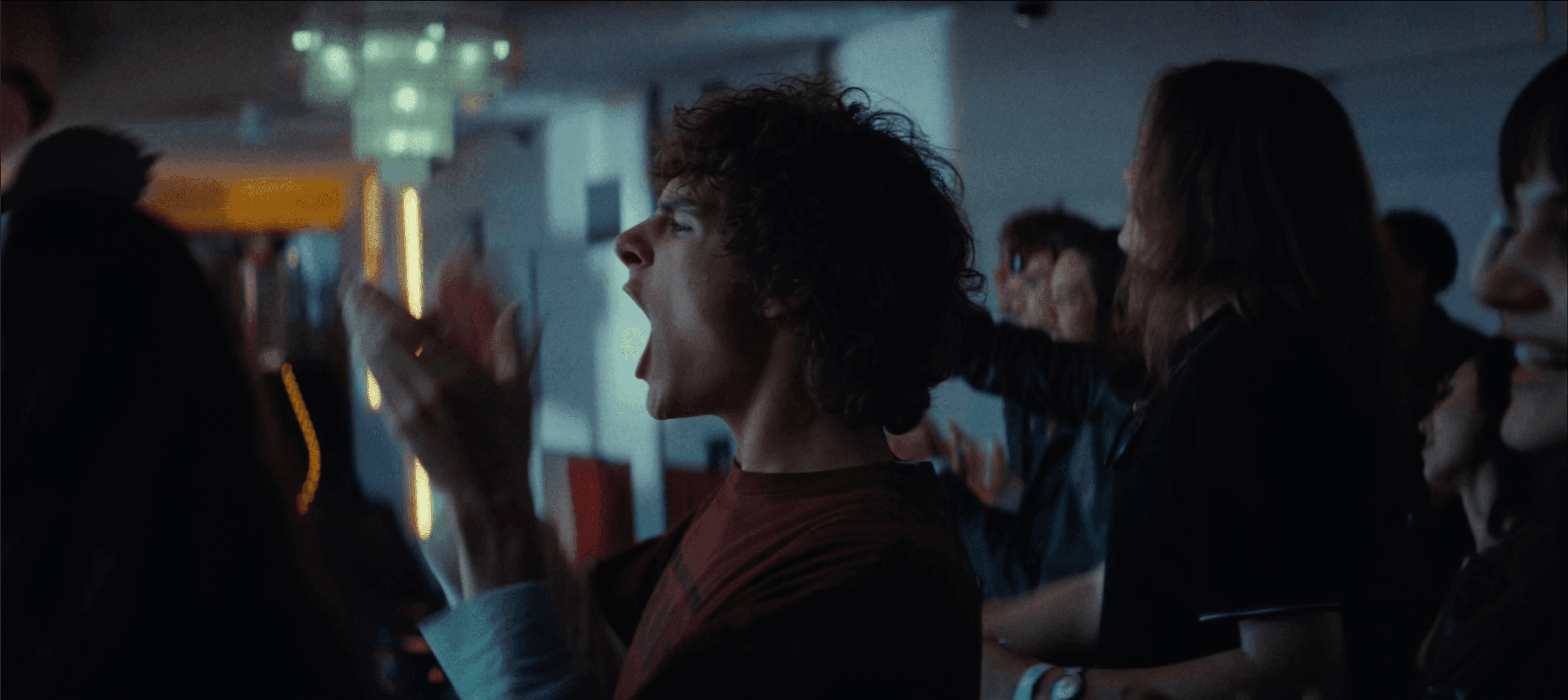
Then the road trip culminates with this live show at the Palladium in LA. And they brought in all these actual Green Day fans. They just called out and said, “Hey, do you guys want to be in a movie?” So they packed the Palladium, and the energy that all those fans brought just feels really big and epic. It was really cool to be able to contrast that with these smaller, more lo-fi performances from the kids and their punk band and the other bands that are in the film. It's like a microcosm of Green Day's career: they started out small doing these backyard shows and now they're doing massive stadium shows. I think that’s one of the points of the film: Green Day started just like anyone would, playing in these little shows.
As a big fan of Green Day’s music, this project must have been a dream come true!
Absolutely. I was a sophomore in high school when their album, Dookie, came out. I had a trip to Wisconsin to go visit my cousins that summer, I had these headphones and I was just listening to it non-stop. I thought it was so cool that I was walking around this little Wisconsin town listening to Dookie. That was my entrée into Green Day. They've been around for a long time and they're so proficient, it’s incredible. To be able to come full circle and work on a film about them, with them… it's been really gratifying and cool. I think my 16-year-old self would probably not believe it.
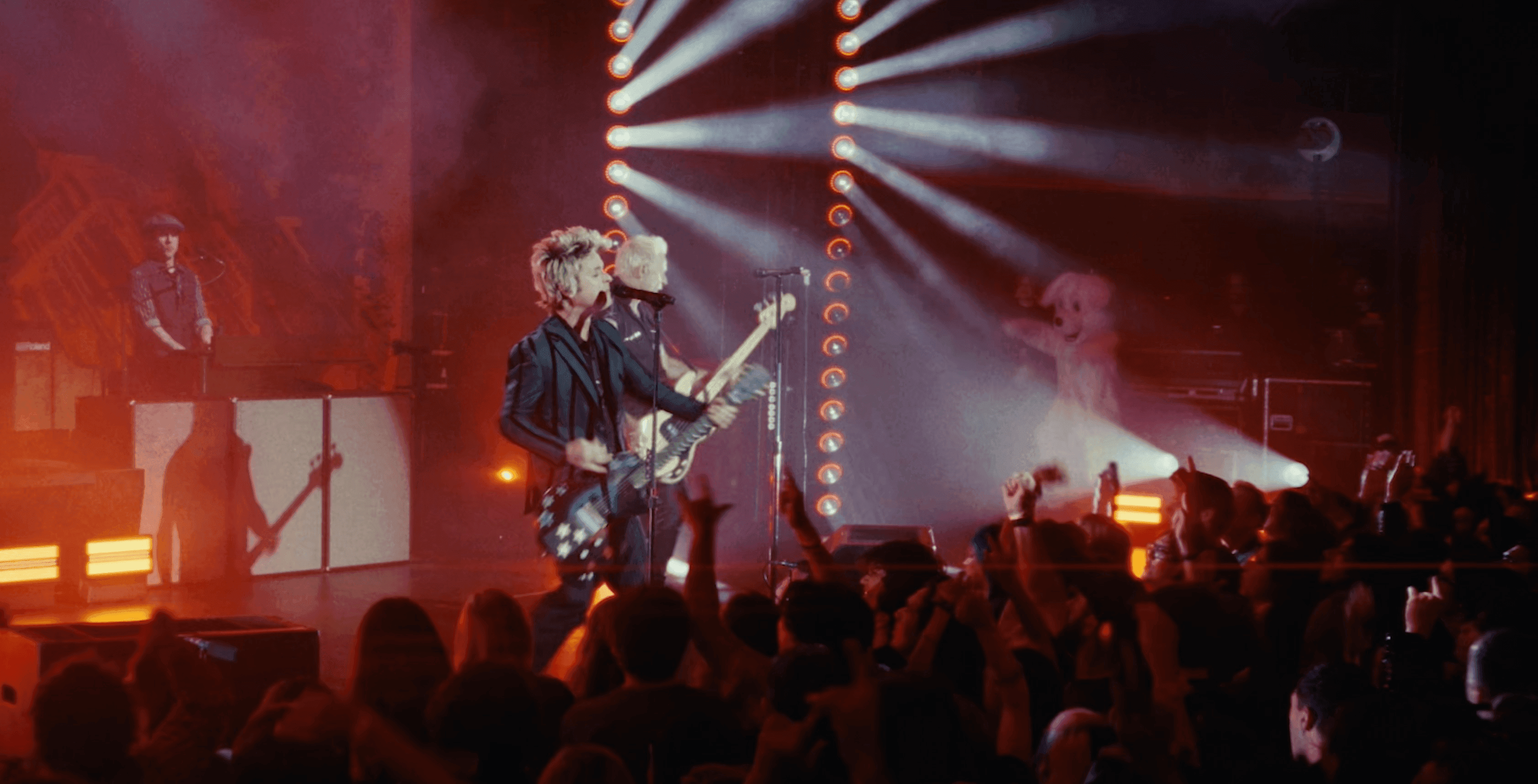
The film has a 90’s aesthetic, without being on the nose. Did thinking back to that era affect the way you approached the cuts?
Yeah, that’s what this movie was harkening back to. There's a very intentional leaving out of current technology in the film, so although it's set in current day, you wouldn't really know that. And coincidentally, the style of dress for young people now is very similar to the stuff we were wearing when I was skateboarding in the early to mid 90's. So that gives it a timeless feeling, it's not stuck in this very specific modern-day era.
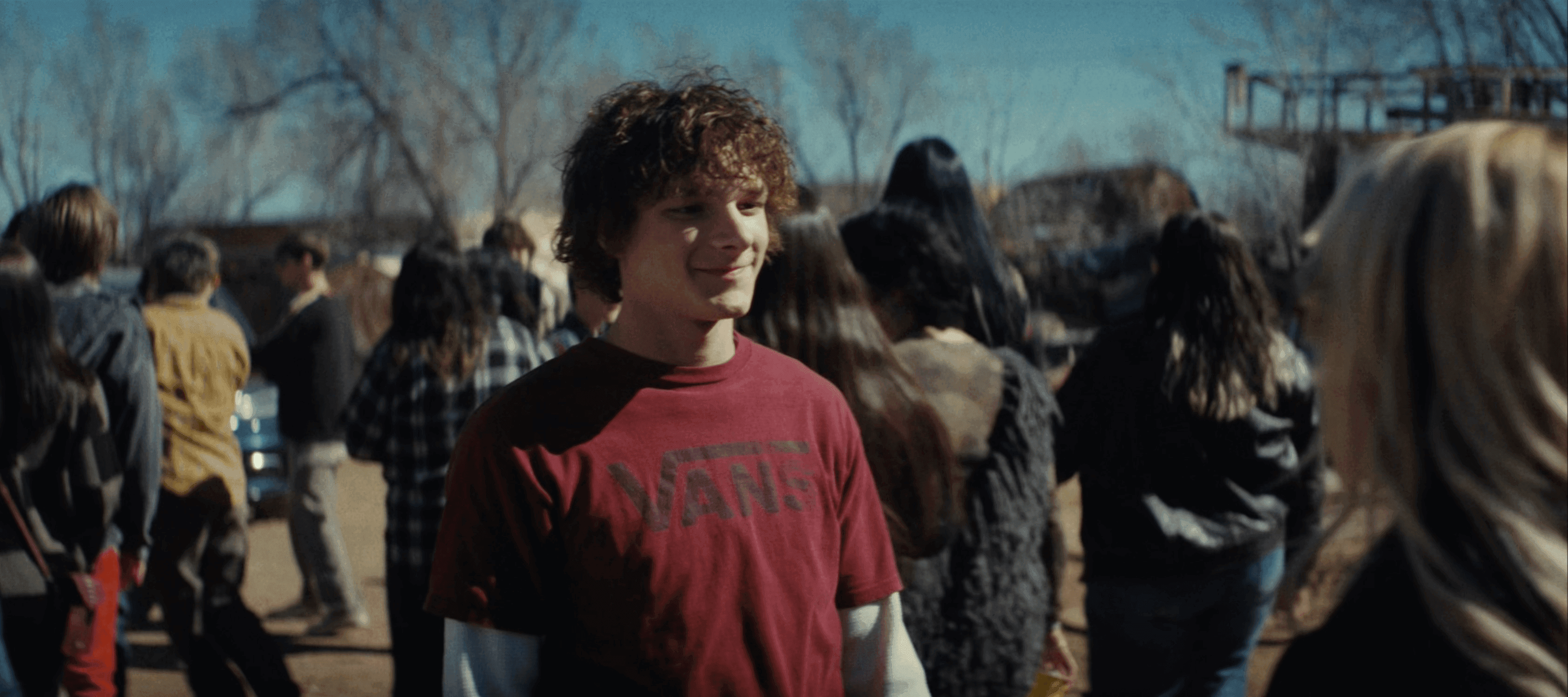
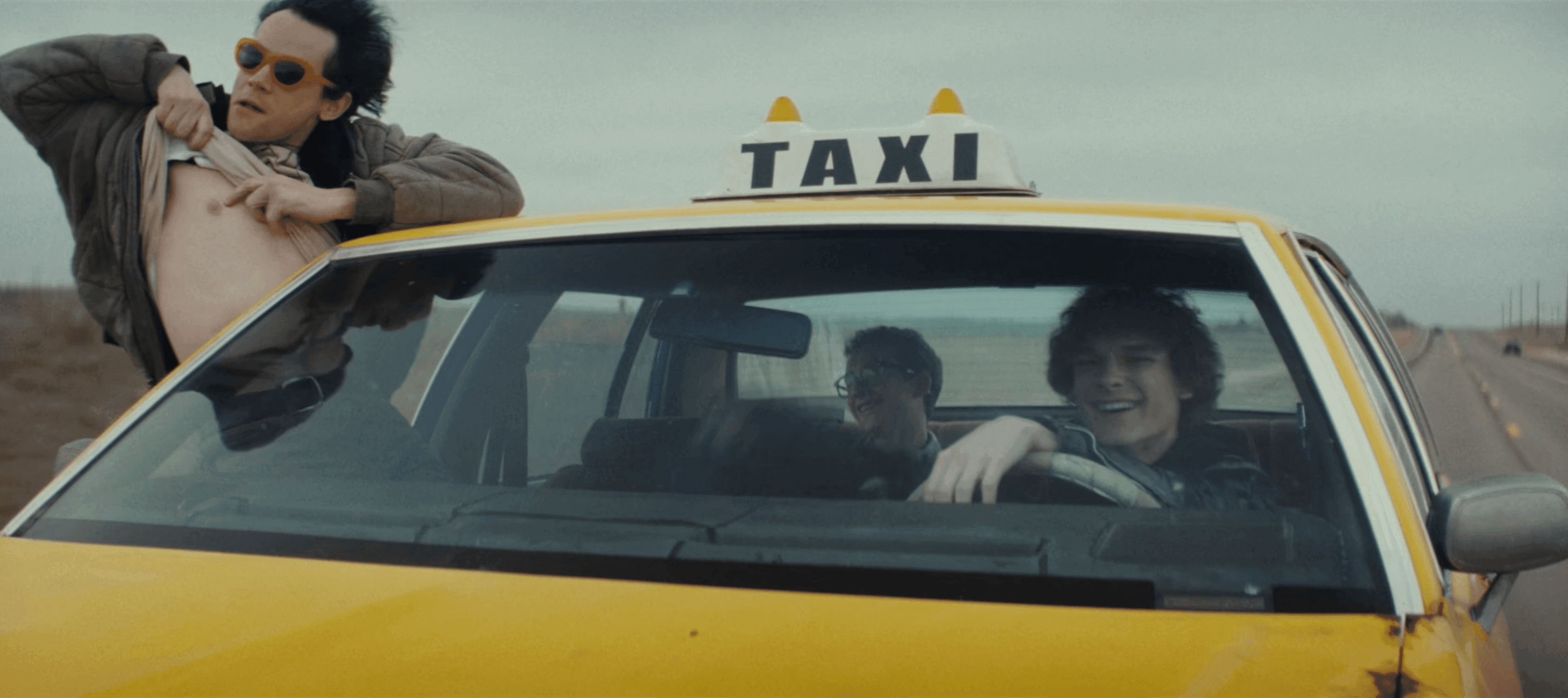
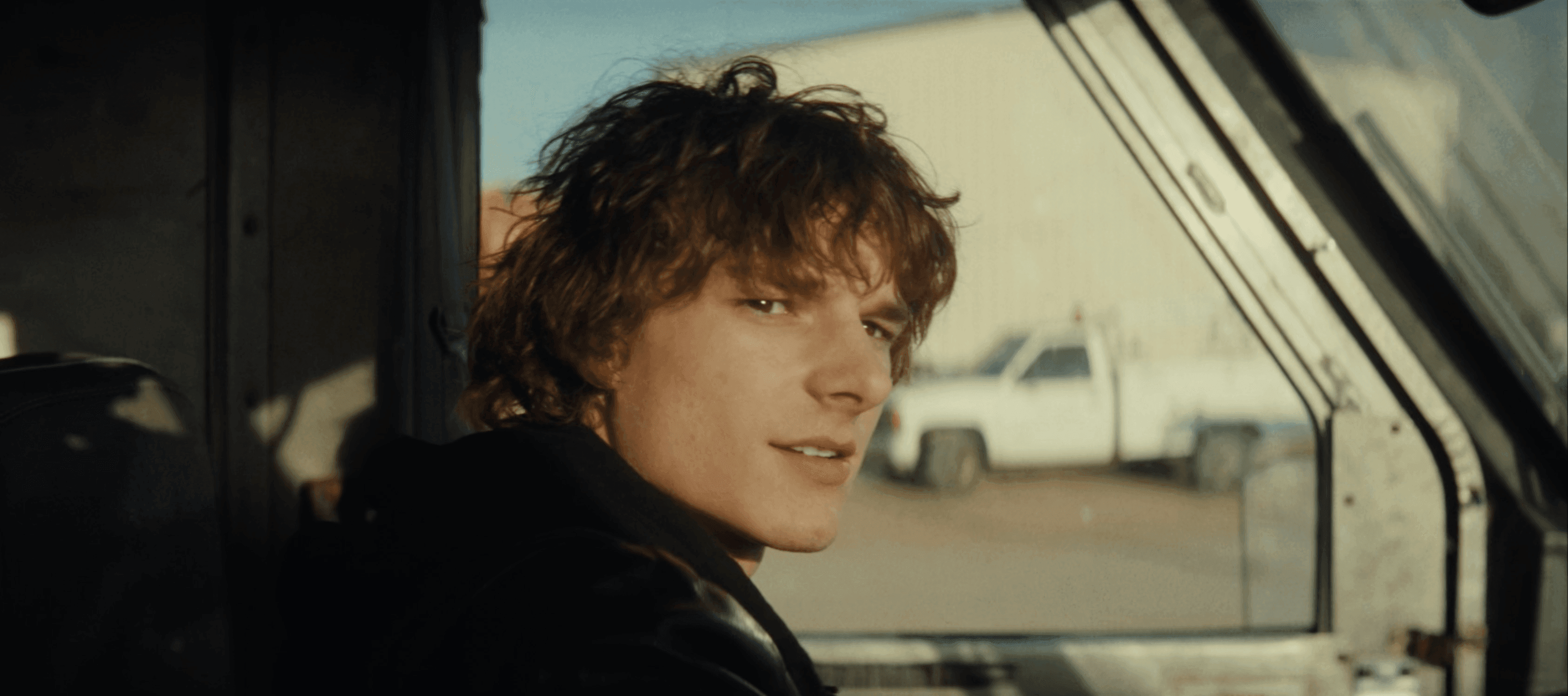
Lee Kirk, the director and writer, wrote an amazing script. The story basically revolves around these three teenage kids, and each one of them reminded me of one of my friends from high school. If I found moments where their performances hearkened back to one of my own buddies, then I would lean into that and not shy away from it, whether it was the goofiness or just the teenage angst, because you're making a movie about 17-year-old boys. They get wild and weird and funny and they do stupid stuff. To me, that was the fun part of cutting this movie, just leaning into that authenticity.
Were you receiving rushes while they were shooting?
Yeah, most of this movie was shot in and around Oklahoma City, so I was always about a day behind camera, which is hugely beneficial to the production. There'd be times when I'd get a call from the producer saying, “Hey, can you cut this scene together really quickly? We're going to be back at this location tomorrow and we want to see if there's anything missing.”
There's this big montage near the end of the film and Lee was debating which of two different Green Day songs to use. It involved some lip syncing because the kids were singing along to the lyrics in the car. I cut together a couple of versions with the different songs so they could see it on set and make a decision, because they still had to shoot the rest of the montage over the next week or so.
What was your technical setup, and why was Louper necessary on this job?
I cut this on Avid Media Composer, and I actually requested that we use Louper specifically on this one. I had a lot of success with Louper on a commercial job, so I wanted to try it out on this film, and it was fantastic. The director really enjoyed working remotely, he hadn't worked on anything remotely before, and he just dived right in. He also has two young kids, so it was nice for him to be able to pop into his living room and start editing, as opposed to driving an hour to the west side of Los Angeles, and then driving another hour back. As far as productivity goes, we did a lot more in less time. Not all directors are able to focus in on 10 hour remote edit sessions every day, but he definitely was. So we were able to pack a lot into every single session.
And Louper made that really, really easy. Just from the tech side, we didn’t have any issues and the playback was smooth.
And how big did your remote sessions get?
There were a few spotting sessions with the music and sound departments where I think seven or eight people would be in the Room, and we had a few producer sessions, but for the most part, it was just Lee and I. We had people spread out all over the country, so I don't know how we would have done this movie without Louper. I would have been traveling all over the place following Lee because he's so busy.
It also means you can live in a beautiful place, and still be connected to your work.
Yeah, I was in Los Angeles for about 22 years and we moved to Boulder, Colorado almost four years ago. So Louper and remote workflow is my jam, my career depends on this way of working. We were able to work seamlessly together and collaborate as if we were in the same room. And in some ways even better, because I can remember plenty of times when I was working in a room with someone for 12, 16 hour days, day after day, week after week. And since we've gone to this remote way of working, I just haven't had that. I feel like I've had a much better work-life balance.
To that point, Lee had a weekly ice hockey game so he would log off for a couple hours once a week. He'd go play hockey and I would stay on, work on the cuts, and address his notes. And then he'd come home and log back on. He got to spend time doing something he liked and he came back refreshed and the work kept going. So yeah, I think it's a really cool way to work. I'm a big advocate for remote editing.
Do you have any advice to share with young editors, just starting out?
The only advice I can give anybody trying to do this job is just work and make movies and cut anything you can get your hands on. Just cut and cut and cut and cut because that's the only way you get better. I started out cutting hundreds of promos for TV shows, and the thing that I got out of that was speed. I got really fast, having to work under very tight deadlines, which helped me later in my career when I started working on movies. There's always something that you can learn from any job you're on, no matter how trivial or small it may seem. Even to this day, I approach every project with “how can I learn something on this?” Because I still feel like I have to prove myself every time I go into a job, and I've been doing this for 20+ years.
Watch the teaser for 'Nimrods'
Ryan Brown is an editor based in Boulder, Colorado. Visit his site to see some of the recent features, series and commercials he has cut.
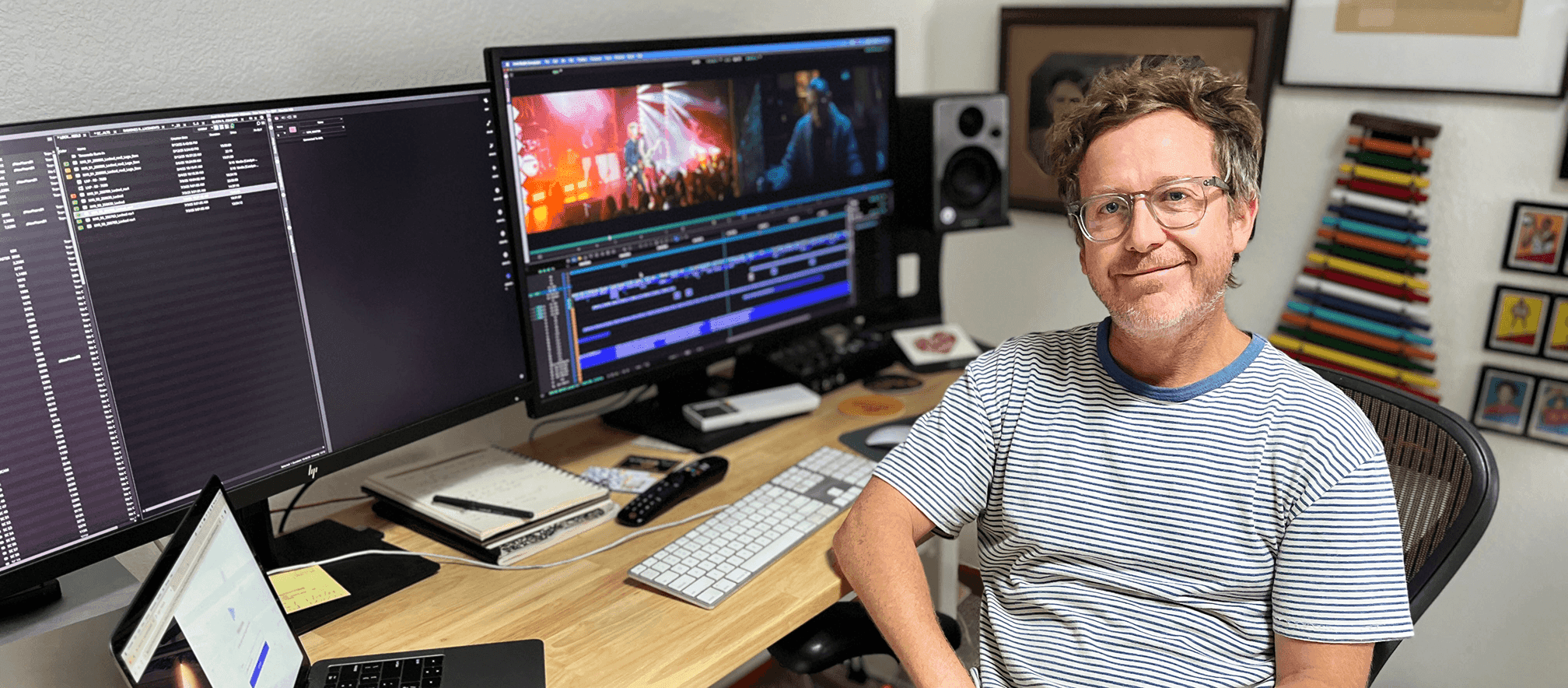
Ryan Brown working on the edit for 'Nimrods'.
Nimrods premiered at the Toronto International Film Festival, under the working title New Year's Rev. The film will be opening in select theaters in 2026.
Writer / Director: Lee Kirk. Editor: Ryan Brown. Producers: Tim Perell, Billie Joe Armstrong, Mike Dirnt, Tré Cool. Lead Cast: Mason Thames, Kylr Coffman, Ryan Foust, Mckenna Grace, Fred Armisen, Jenna Fischer, Angela Kinsey, Bobby Lee. Portrait of Ryan Brown editing the project by: Valerie Watson. All film stills and trailer courtesy of Nimrods
Ryan used LDE to stream his edit from Avid Media composer. Visit Louper's docs site to see how to set up a livestream from Avid, Premiere Pro or DaVinci Resolve.

Use Louper to stream and collaborate on live shoots, edit sessions, vfx reviews and more - securely and in seriously high quality.

