A Fresh Set of Eyes: Editor Matt Osborne on the Value of Narrative in Advertising
A Fresh Set of Eyes: Editor Matt Osborne on the Value of Narrative in Advertising
Having worked across Australia, Asia, Europe and the US with a host of international directors, editor Matt Osborne is no stranger to remote workflows. He shares insights into some of his favorite projects, and the enduring creative relationships that made them possible.
You often work with director Rob Chiu, can you talk about how your collaboration started?
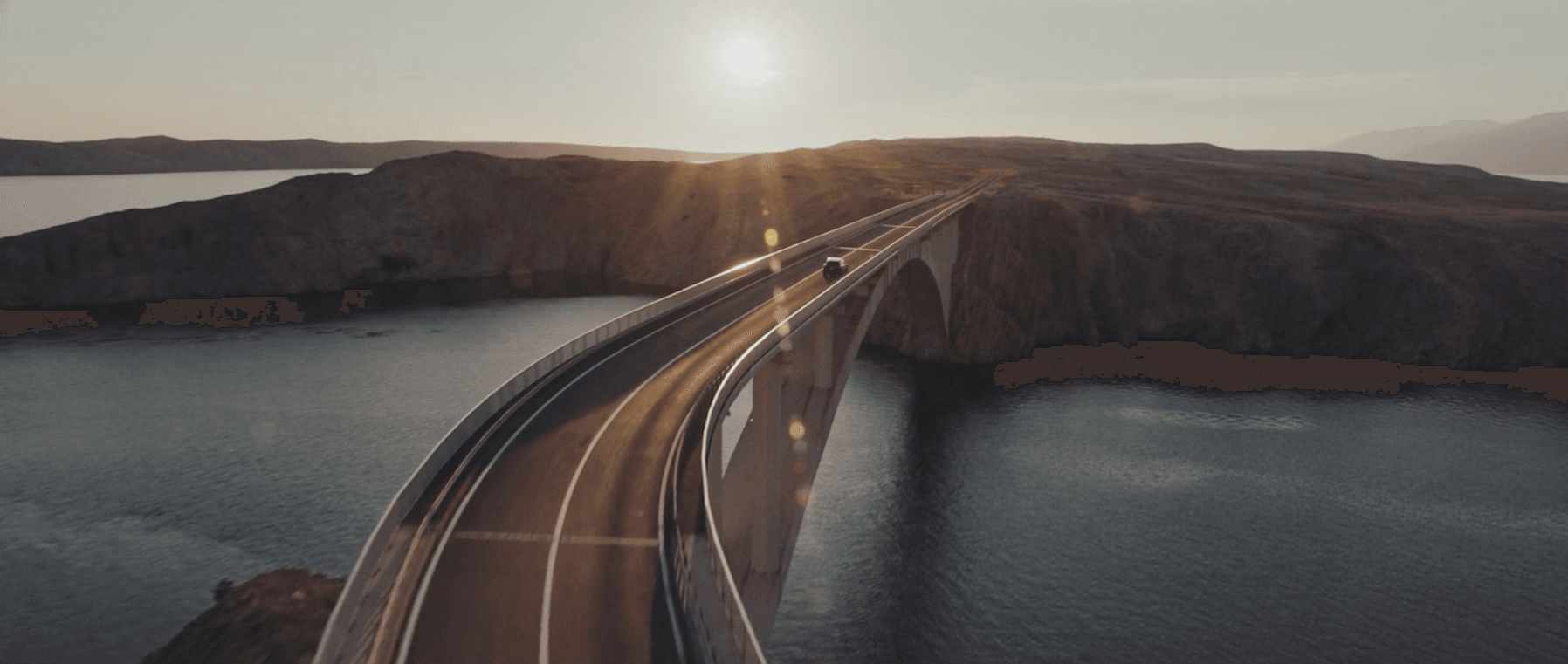
We first worked together on a job for Porsche back in 2017. I think Khalid Mohtaseb, a DP I'd worked with, introduced my work to Rob. When I got the initial email from the producer saying they'd like me to fly over to Germany to work on this project, I was quite surprised. I was just an Australian guy living in Shanghai, and that was a massive, global Porsche job out of Germany.
Porsche 'Cayenne'
I'd loved Rob's work for a while and it was definitely the biggest project I'd worked on at that stage in my career. It was shot in Croatia and Slovenia, and I started the edit in Shanghai, watching all the footage and doing my own selects and assembly. I edited on the plane as well, because I wanted to spend as much time on it as possible before meeting Rob. We cut together in Warsaw for a week, because Rob was shooting another job in Poland. We then had a couple of weeks in Hamburg in a suite with agency and client. Since then I've done several more jobs with Rob. He's one of my favorite people to work with. I’m actually cutting a project remotely with him at the moment: Rob is in London and I’m living in a small coastal town in Australia, not too far from Melbourne. It blows my mind that we can do that - it’s not something I ever thought would be possible when I started editing 25 years ago.
Porsche 'Cayenne'
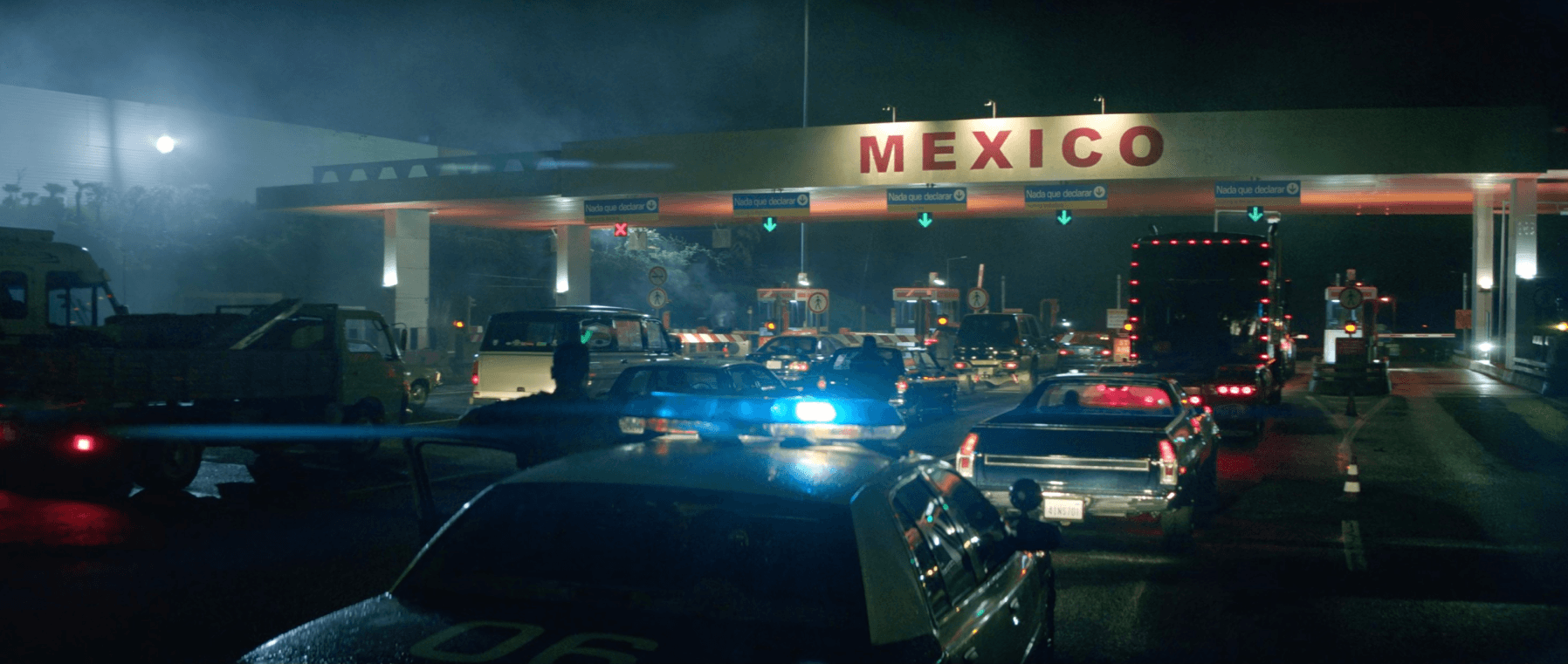
You worked with Rob on the director’s cut for Infiniti ‘Life as you see it’. There’s so much depth to that story, it feels like the characters have real motivations and shared memories between the two of them.
There's a lot of subtext and nuance in that commercial. They're on a road trip, but in a way it tells the story of their whole relationship. I find that really interesting, amazing actually, that a 90-second edit can tell a full story arc, make you connect and feel something. It's like you’ve been on this journey with these people. Often just a look, or the touch of a hand, can hold so much meaning. That's the power of editing, you can put shots together and create a feeling, a mood, a tone, a story without having to be so explicit about it, or needing a voice-over to explain the narrative, because you just feel it. That's my favorite type of project to work on.
That's the power of editing. You can put shots together and create a feeling, a mood, a tone, a story without having to be so explicit about it, or needing a voice-over to explain the narrative... you just feel it.
Infiniti 'Life As You See It'
What is it about the way that Rob shoots or the way that he interacts with you on the edit that really works?
I really like the way he approaches shooting, he doesn't use strict storyboards as such, but he's also not just shooting randomly, he knows what he wants to capture. So he's letting the camera roll, but he's also very intentional about what he's trying to get from the actors or from the shot. He also works with incredible DPs that elevate the films - Paul Myers shot the Porsche job for example, he’s phenomenal, Khalid Mohtaseb whom I mentioned before, Matias Boucard, Joe Cook shot Infiniti, Lara Perrotte shot Rob’s recent short film Chinaman and the current commercial we’re working on. Rob just has the ability to find really natural performances, and has impeccable taste.
Infiniti 'Life As You See It'
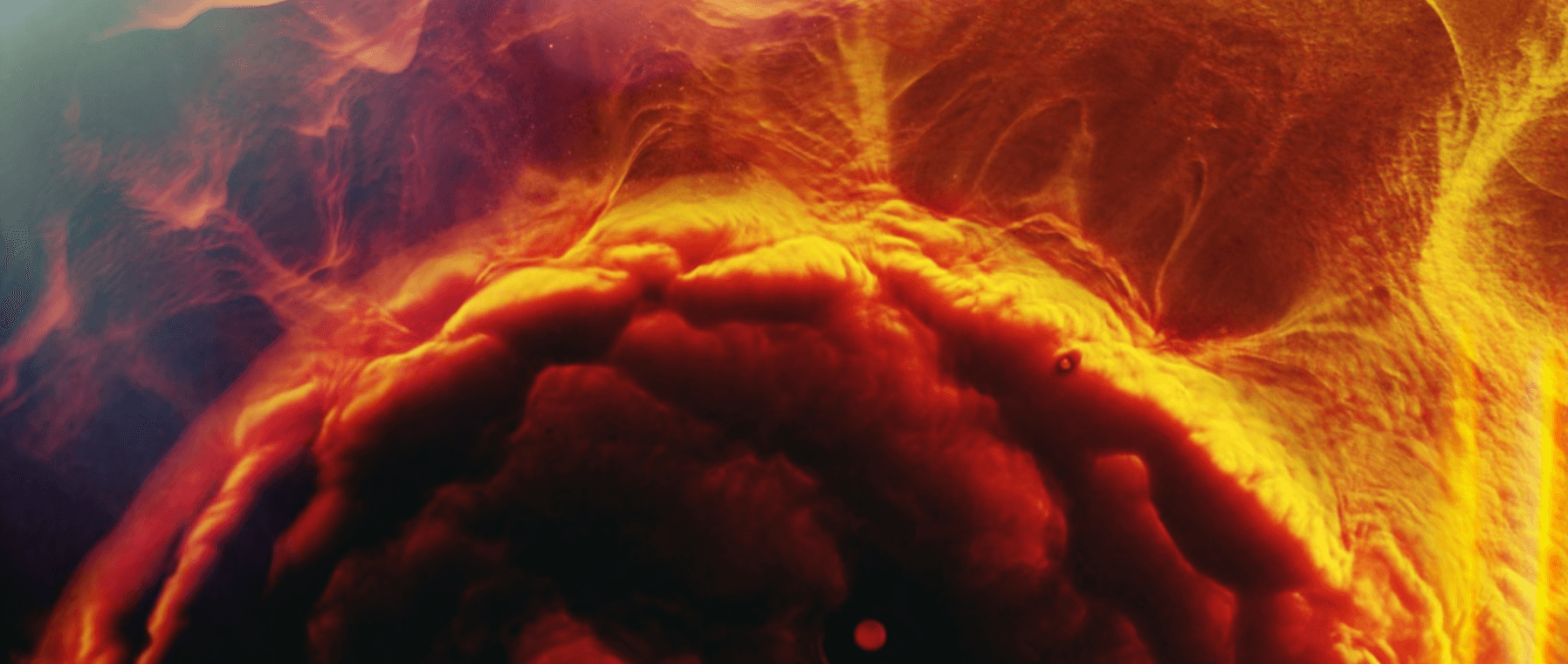
With Hunter Douglas, the film is essentially the universe forming and light flowing through time to reach a single person. It was a combination of location shoot, visual effects, and we also worked with the visual artist Chris Parks. Chris uses specialized water tanks with paint and organic materials, in different colors and textures, that chemically combine to create these incredible shots that are all 100% in-camera, and mimic the cosmos, among other things. His work was used in Tree of Life, the Terrence Malick film, The Fountain by Darren Aronofsky and Poor Things by Yorgos Lanthimos. We were using a lot of his visuals, combined with really epic VFX space shots, to tell that story.
Hunter Douglas 'Feel light transformed'
As for how we edit, it’s a really collaborative process. Rob is never judgmental about what I've done in the first assembly, and he doesn't try to ‘fix’ it either. I'm not the type of editor that likes to be told what to do, and just press the buttons. Rob guides me in the right direction, and lets me do what I feel is best. Then we go back and forth to shape and craft things. It’s always great to have time to explore different ways of telling the story. Unfortunately, you get less and less time to do that these days.
At the end of the day, I just want to work with nice people on interesting projects and Rob's one of the nicest people you can meet. If you have the same taste in films, in music, the performance of the actors, the type of shots, that’s the most important thing. And I think Rob and I have very similar sensibilities.
If you have the same taste in films, in music, the performance of the actors, that’s the most important thing. And I think Rob and I have very similar sensibilities.
That relationship is key, especially with a more open-ended style of shooting. The editor brings something new to the project that the director might not have seen on set.
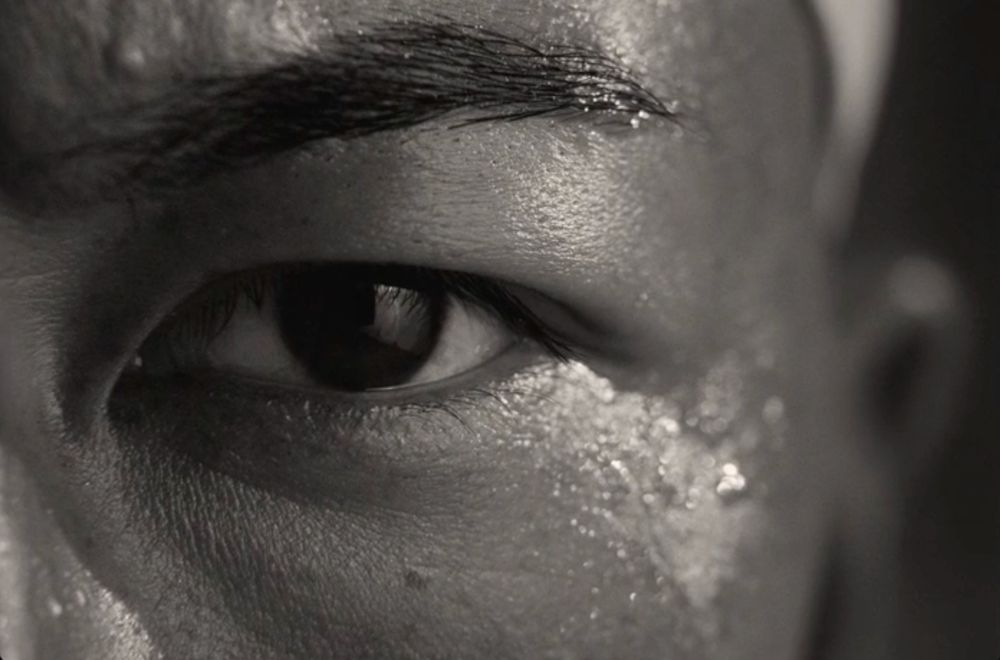
Exactly, a good editor brings a fresh set of eyes. Even the greatest directors, with a very particular vision, can benefit from having someone look at the story and suggest something new. It might be right, it might not be right, but often it can spark something else that leads to an even better idea than what either of you could have come up with alone.
A good editor brings a fresh set of eyes. Even the greatest directors, with a very particular vision, can benefit from having someone look at the story and suggest something new.
'Medicine'
Even though I have done a lot of fast-cut, flashy editing, I also really love cutting films that are more simple and restrained. Probably my all-time favorite is Medicine, a music video I edited with Salomon Ligthelm and Khalid. It has that elevated simplicity. It’s often much harder to cut those types of films, because you can’t hide behind fast cuts, VFX, or heavy sound effects. So you need to be much more precise.
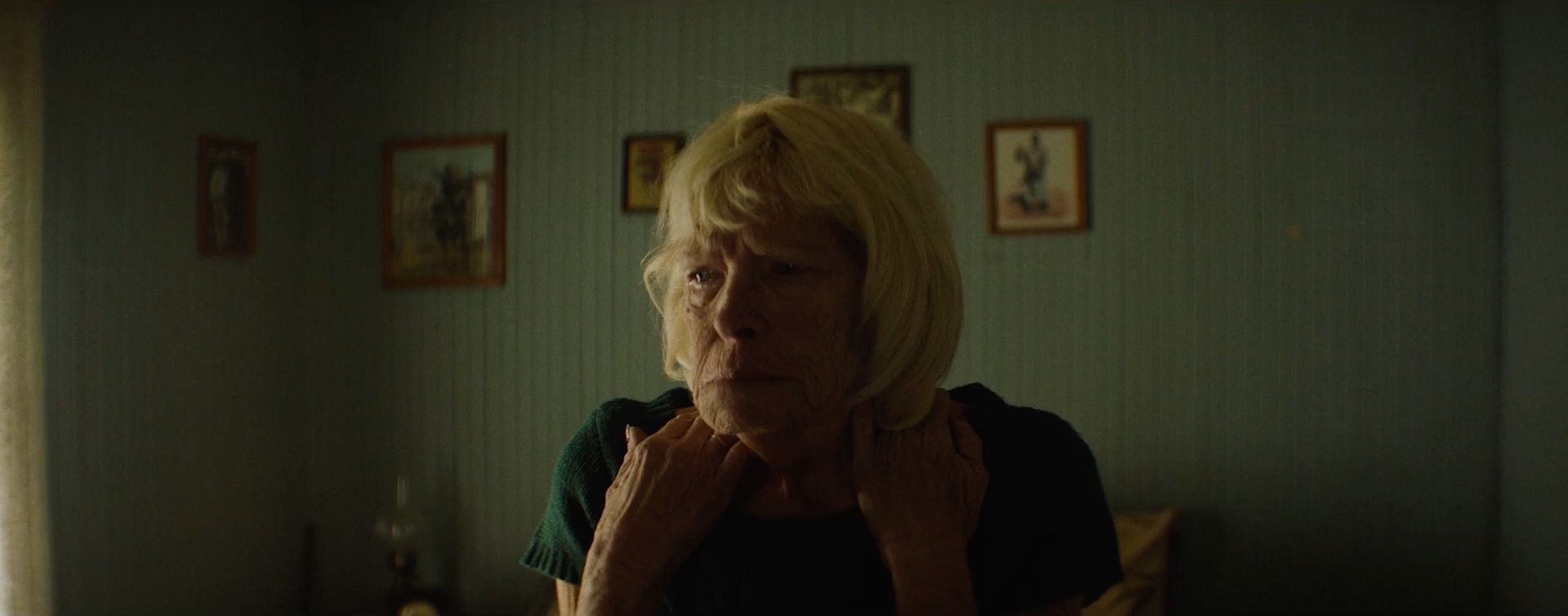
'Medicine'
Another one of my favorite edits is the Nike Olympics spot featuring para wheelchair tennis player Tokito Oda, who went on to win gold at the Paris Paralympics. There's literally four shots in that. There’s another one in that campaign with a young Japanese female skateboarder that had only two shots in it. And I love it: it's so intentional.
Nike 'Winning Isn't for Everyone'
That Nike campaign was directed by Xavier Tera, we’ve worked together a lot. I first worked with him on a music video for Kaytranada, and we did a beautiful Adidas Originals film together too. It’s a commercial, but again it has a strong narrative told in 90 seconds. Funny enough, we've actually never met in person. Xav is based in Tokyo and we first worked together during Covid, so it’s all been remote since then.
Adidas x Kawasaki
You recently edited a fashion film for Loewe with Xavier, how was the experience using Louper on that project?
Xav shot that commercial for Loewe, and then he went straight into shooting his first feature film in Okinawa, so he didn’t have a lot of availability for the edit. We had one session on Louper, and then we were just going back and forth with notes between Xav, the creative director, and the client. It got to the point with client notes where I felt we just needed to sit down together. So I had a few Louper sessions with the creative director, and we got the edit done. He was in Tokyo, and I was here in Australia, which is kind of crazy, right? That you can just be at your computer, jump on a call and do an edit together.
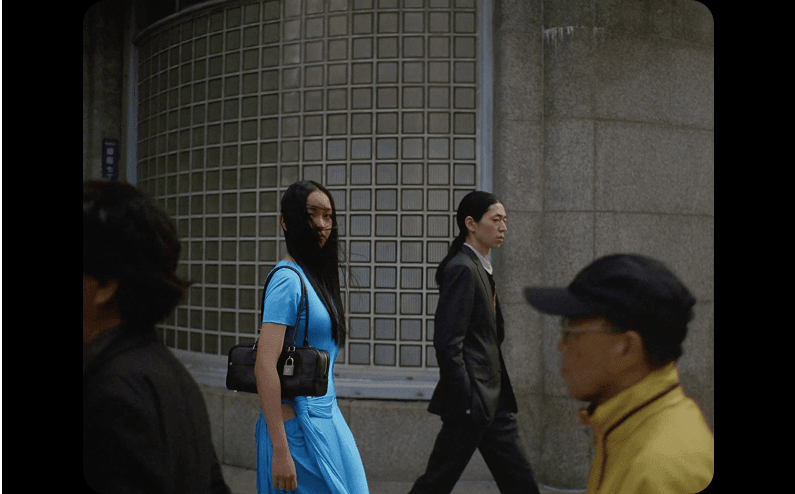
Loewe 'Ginza'
With the BadDreems music videos, it's so clearly an Australian story. It's so rooted in the Australian culture, landscape and people. How does it feel editing something like that as opposed to something that's very clearly Japanese or American?
Interesting question. The first 10 years of my career were in Australia, and I’ve done a lot of Asian work having lived in Korea, Singapore and Shanghai. I’ve also worked in Japan quite extensively, and now I’m back in Australia. The Chinese work can feel quite international, because it's often with foreign directors that fly in. But the Japanese commercial work tends to have a very particular style and is more clearly rooted in Japanese culture.
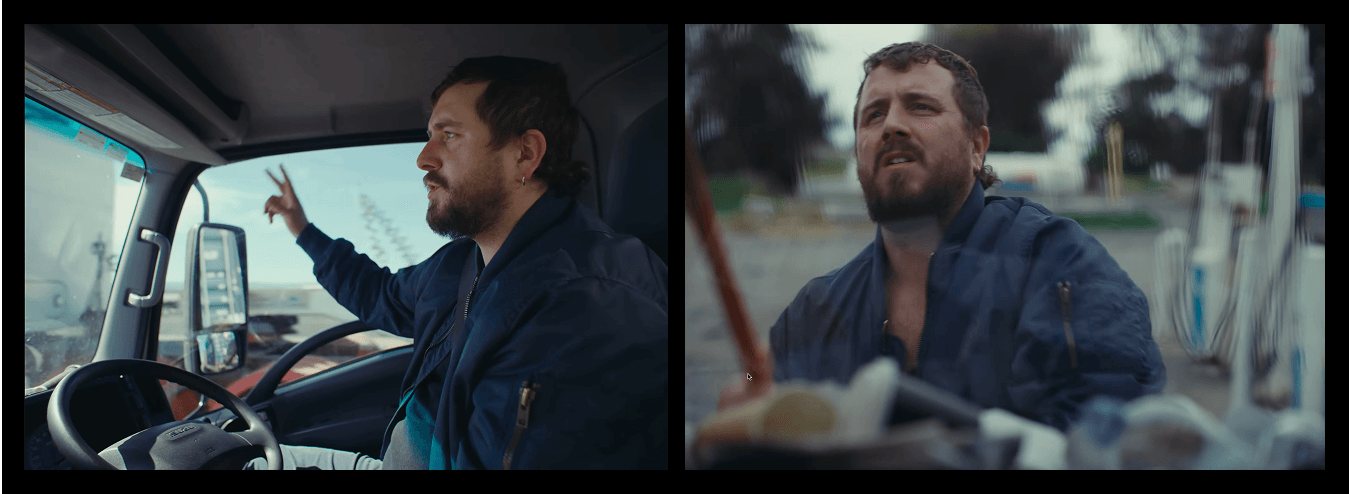
Bad//Dreems 'Shadowland'
With the BadDreems project, it's obviously uniquely Australian. The project was four separate music videos, directed by Kaius Potter, which we've recut slightly and included some other scenes to turn it into a short film. The band is also distinctively Australian, and the lyrics are quite specific to the Australian experience, about family violence, masculinity, generational patterns and behaviors, and growing up in a difficult environment. The landscape is undeniably Australian, but the themes are universal. There's a lot of subtext in the films, and again going back to simplicity: some of the films are very high energy with fast edits and flash cutting, but my favorite out of the four is Irish Airman, as it’s very understated. From an editor’s perspective, how long or short you hold on a shot, the performance you choose, can all make you feel that undertone. I don't think I’m super conscious of that while I’m editing, at least in the initial stages, I just do it instinctively.
Later in the process you do look at it more objectively, but often your first instincts end up being the best, because that’s how the viewer is going to see it. I think it's important to remember that when you get deeper into the edit. If the editor feels something, then hopefully the audience feels something too.
Often your first instincts end up being the best, because that’s how the viewer is going to see it. It's important to remember that when you get deeper into the edit. If the editor feels something, then hopefully the audience feels something too.
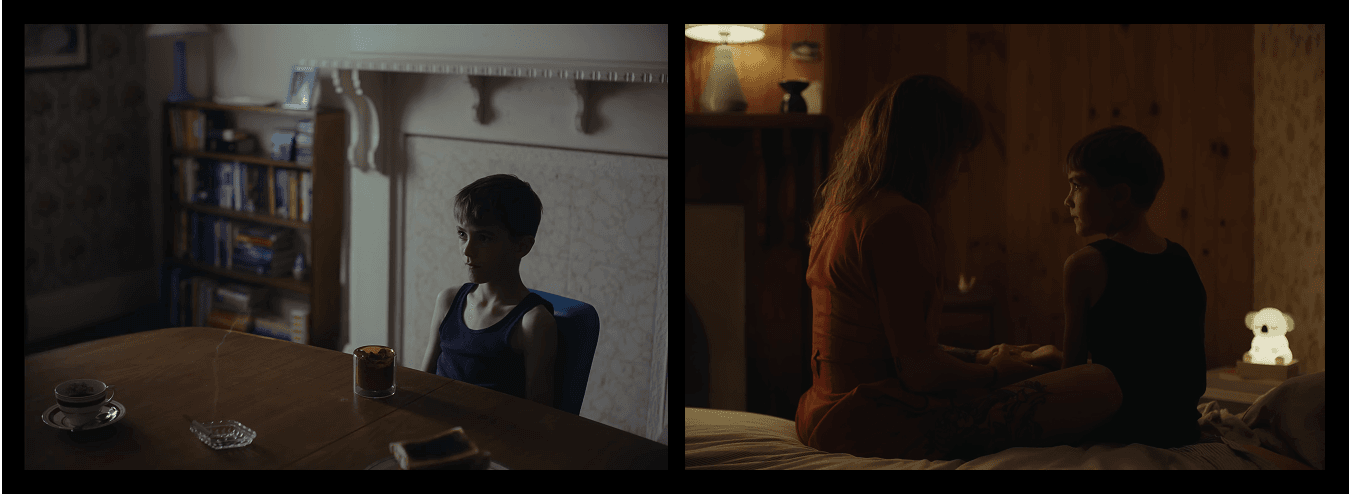
Bad//Dreems 'Irish Airman'
I think most of my work has this feeling of an underlying narrative. Even if it's a commercial, I try to make it feel like it's got a story, whether it comes across literally or not, I need to at least feel that as I’m working. So back to your initial question, for me editing is editing, whether it's Asian, Australian, European, American or any other country or culture. It’s all about telling a story that makes you feel something.
Most of my work has this feeling of an underlying narrative. Even if it's a commercial, I try to make it feel like it's got a story. Editing is editing, whether it's Asian, Australian, European, American... It's all about telling a story that makes you feel something.
Did you work with Kaius remotely?
Yes, it’s been an ongoing project periodically across 30+ days over the last five months or so, all remote. Whenever we had the time we’d jump on Louper, sometimes all day, sometimes for a short period, to review or chat or tweak something.
That’s the benefit of a remote platform like Louper - you can be flexible with your schedule.
Totally. I've tried all the other platforms, I actually tried Louper when it first came out several years ago and it wasn't quite there compared to the competition at the time. And then I revisited it last year, and I was like, “shit, they've done a lot of improvements!" Now I've used it hundreds of hours and I'm so impressed by it. I’ve worked across all timezones, loads of different countries. Sometimes doing an Australian job in the day, and a US or European job at night, all on Louper. But I’d much rather be doing that and talking to someone, than just sending links.
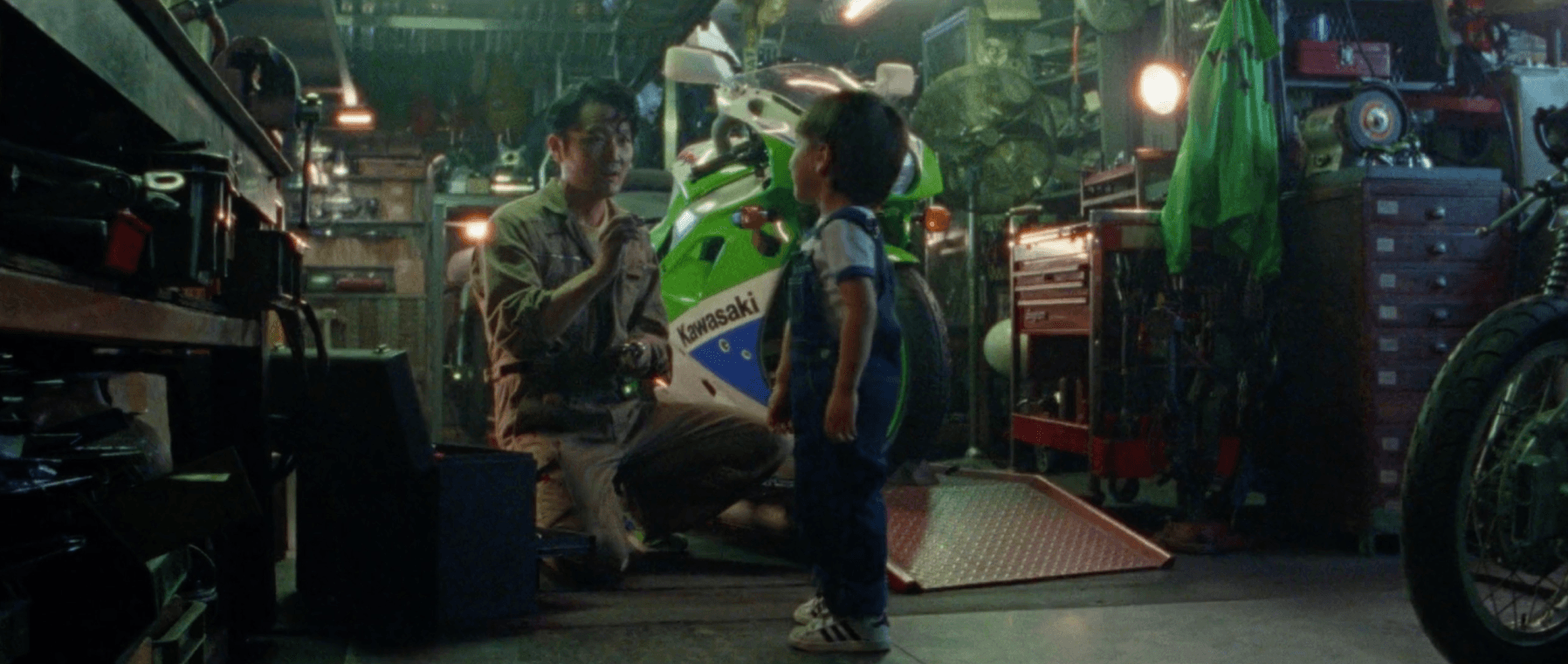
Adidas x Kawasaki
When you send a link, it just goes off into the void.
And then you get notes back from the void as well. And sometimes you get notes from people you've never even met. Often, especially on commercials, you get contradictory notes from the agency or client, but you have to try them all because people want to see them. You've got your preferred version, usually the director's or even the agency’s version, which you’re trying to protect. But you have to put all these other notes in somewhere, so I find I end up doing multiple versions with all the permutations of notes. It can end up being a bit of a watered-down mess because you’re putting shots in an edit, or trying ideas that you know don’t work. But the client might end up liking that version, leaving you with a strange middle-ground edit.
Often the most annoying question you can get as an editor is, “is that the best take?” They might remember a particular performance that everyone loved on set, but in the edit, it just didn't work. People just need to see it to accept that it might not be the best take, or the suggested idea doesn’t work, so you have to do it in real time. Just work on Louper for 30 minutes and then you can move on, rather than wasting hours or days going back and forth doing different versions.
Just work on Louper for 30 minutes and then you can move on, rather than wasting hours going back and forth doing different versions.
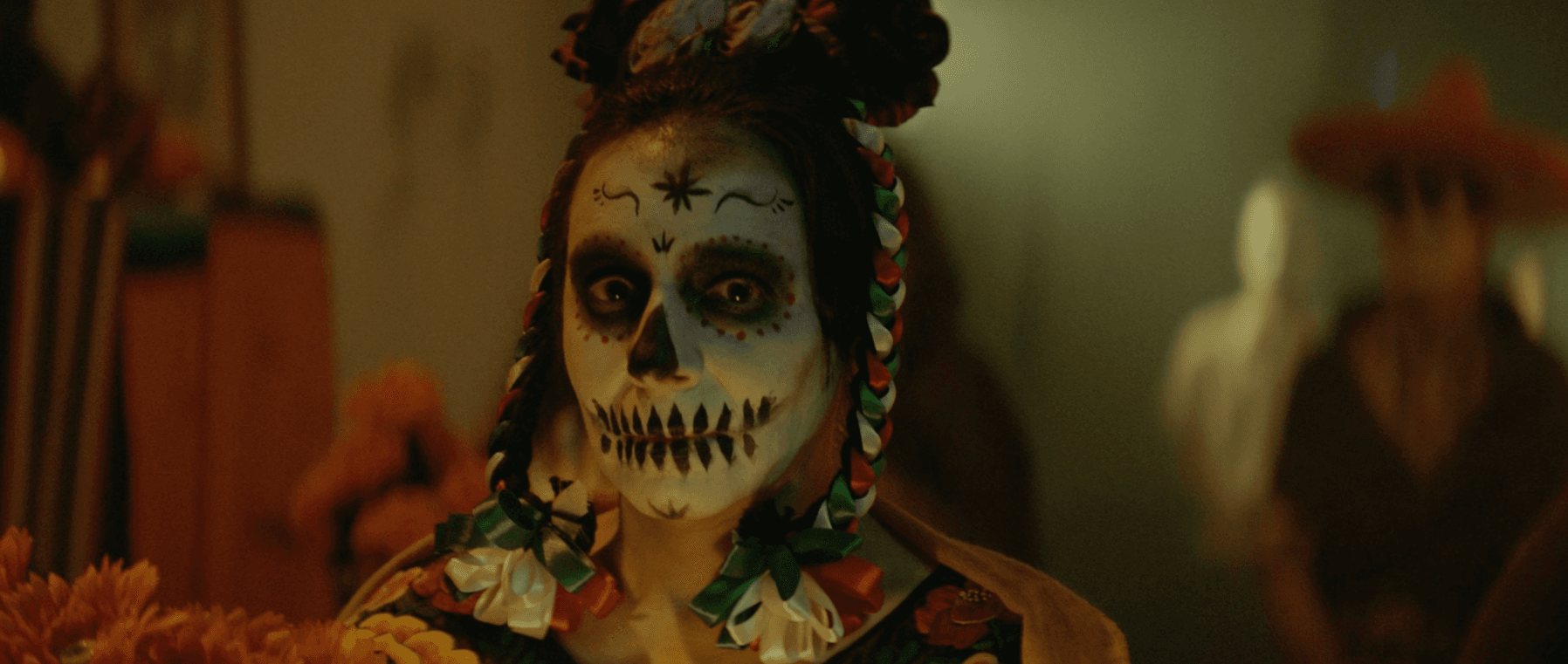
Infiniti 'Life As You See It'
Do you still do in-person reviews?
I still really like to do in-person edit sessions where possible, especially for the initial director's cut and agency revisions. When you're in the same space, you have lunch together, you take breaks, you talk about films, music, books, and life. All those things inform the edit. Sometimes with remote, you can lose a little bit of that and just focus on the work.
Louper is amazing, because you can almost replicate what it's like to be in a physical edit suite together. So I try, as much as possible, to recreate those conversations that are not just about the work, because I think it makes the edit better. It's essentially giving us something else to think about, and that leaves space for ideas to come up. If someone has a note, you just try it. It only takes a few minutes, we can watch it together, and that might spark something else that really works.
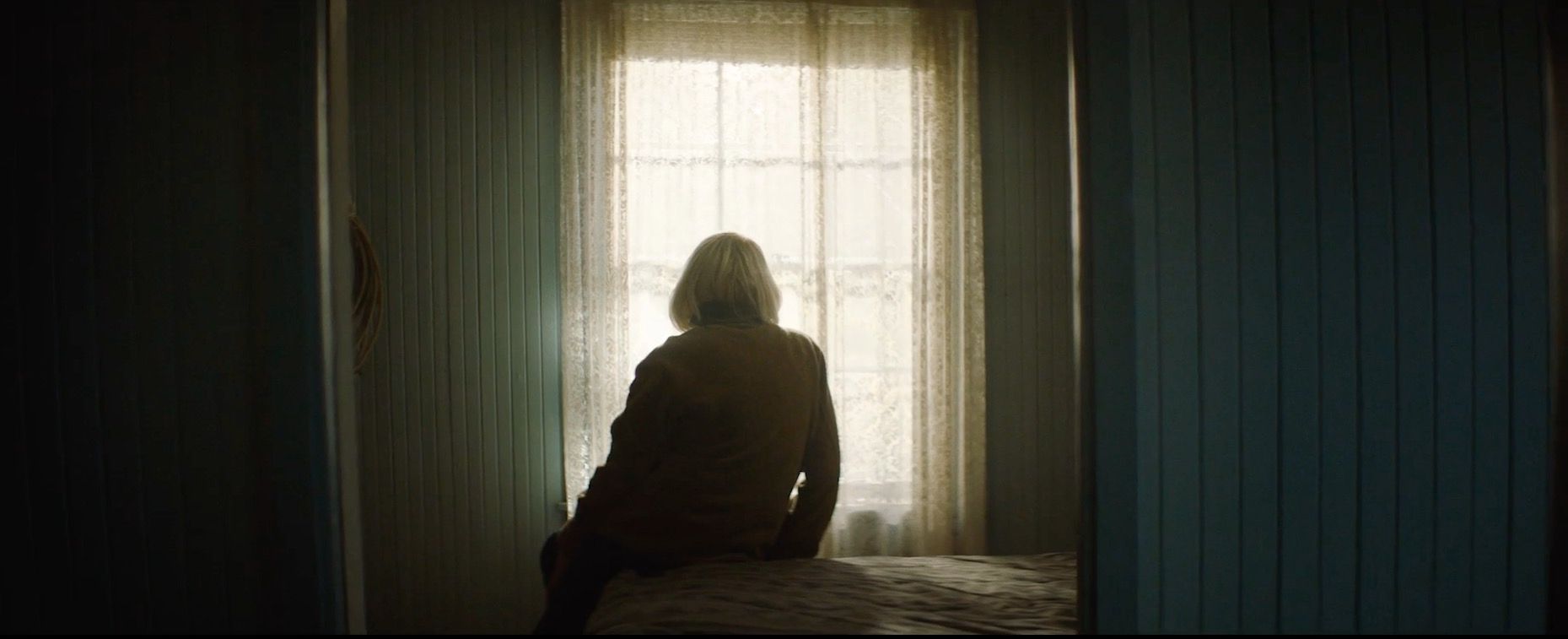
'Medicine'
Sometimes in a call I’ll discover a new feature, like on this last job I discovered that you can change the layout view for everyone to a grid, so when you're talking, everyone's videos are larger and you can see each other’s faces. Then when you want to play something, you change it back to little thumbnails and have the video larger. And I can control all of that, so it’s a seamless experience for everyone. I don’t have to get someone from the agency to do it, or try to teach clients how to use it, which is great!
When you’re in the same space, it's not always about the work. You talk about films, music, books, life. All those things inform the edit. Louper is amazing, because you can replicate what it's like to be in a physical room together.
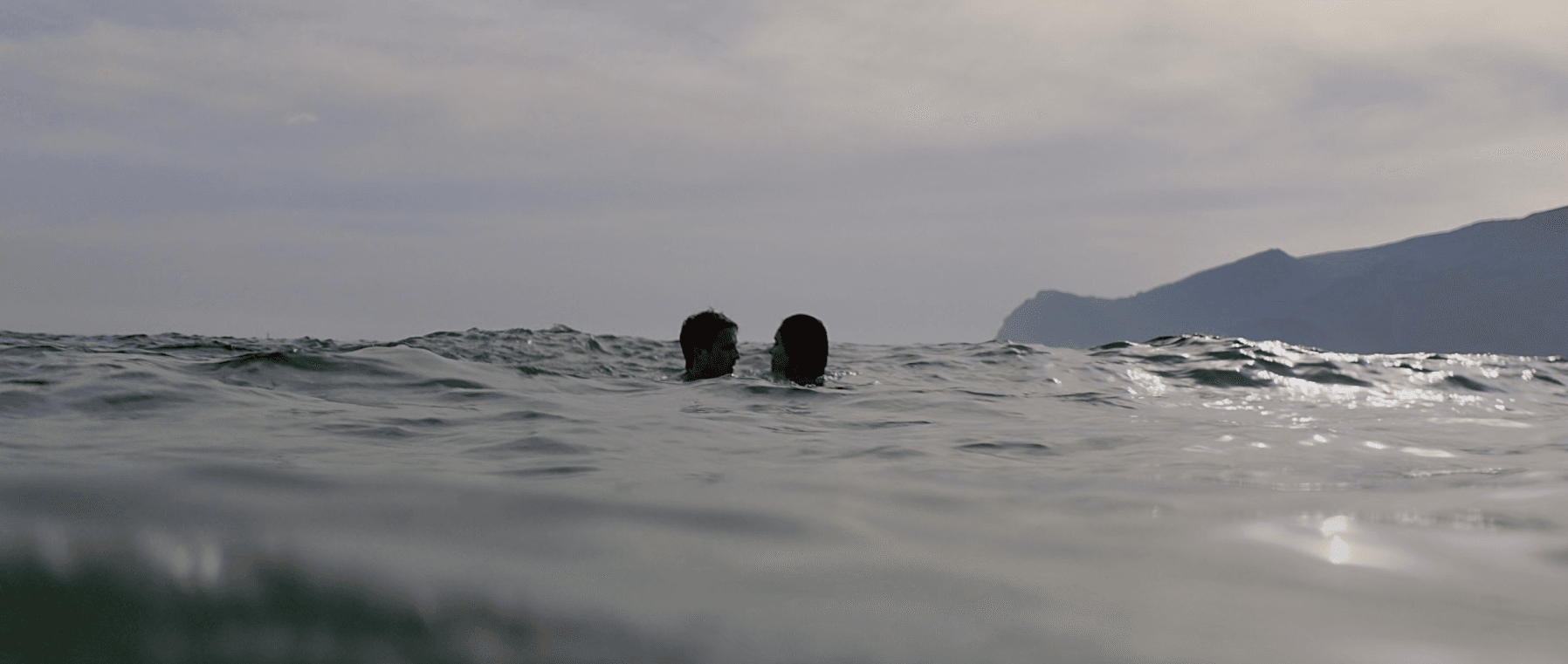
Infiniti 'Life As You See It'
It’s also nice to see and meet the people giving you feedback.
For sure. When the agency or the client comes in and you play the edit, I don't watch the edit because I've seen it a thousand times. I watch their faces to see the reaction. It’s funny because in the suite, you can see their faces, but they're five meters away. The thing with being in a Louper Room, is that people are watching the edit with their faces right up to the screen, and so you can literally see in their eyes and really get a sense of whether they like it or not, and what moments they react to. There's a gamut of emotions and reactions.
When the agency or the client comes in, I watch their faces to see the reaction. In a Louper Room, people are watching the edit with their faces right up to the screen, and so you can literally see in their eyes whether they like it or not, and what moments they react to.
It’s so important to have a connection with the people that you are collaborating with, whether directors, clients or agency. Essentially you’re all trying to go in the same direction, you’re all trying to make something good.
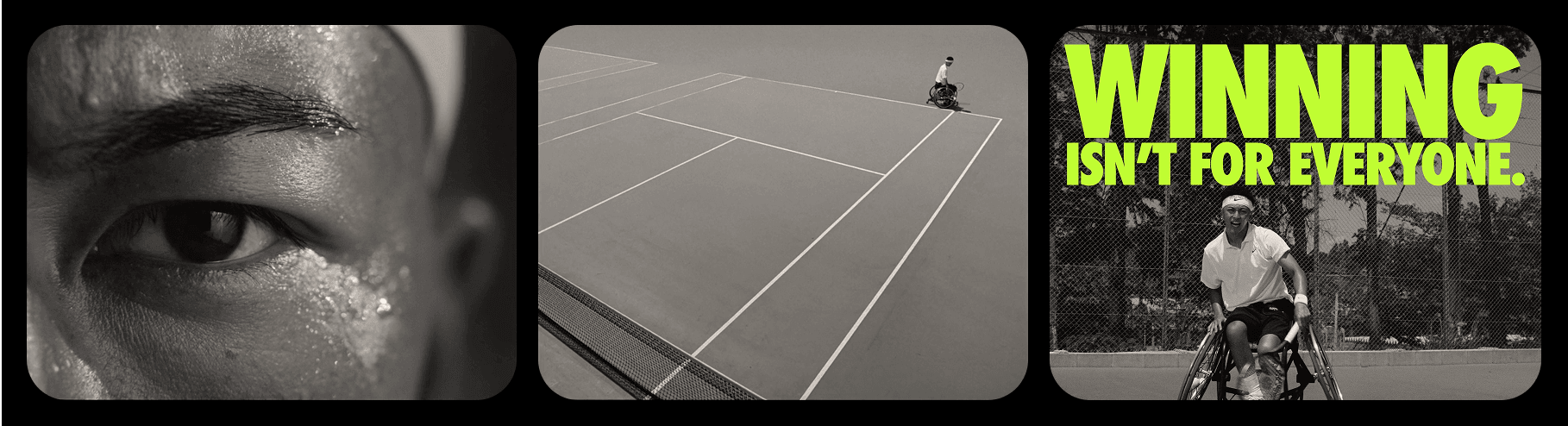
Nike 'Winning Isn't for Everyone'
Matt Osborne is an editor, currently based in Australia and represented by Abandon Editorial in the US. Check out his latest work here.
Featured projects:
Porsche Cayenne. Director: Rob Chiu. Editor: Matt Osborne. DP: Paul Meyers. Colorist: Benedikt Hugendubel.
Infiniti Life As You See It. Director: Rob Chiu. Editor: Matt Osborne. DP: Joe Cook. Colorist: Dimitri Zola.
Hunter Douglas Feel Light Transformed. Director: Rob Chiu. Editor: Matt Osborne. DP: Nicolai Niermann. In-Camera fluid effects: Chris Parks. Colorist: Scott Harris.
Nike Winning Isn't for Everyone. Director: Xavier Tera. Editor: Matt Osborne. DP: Jaime Ackroyd. Colorist: Dante Pasquinelli.
Adidas Originals x Kawasaki. Director: Xavier Tera. Editor: Matt Osborne. DP: Gianpaolo Lupori. Colorist: Thomas Mangham.
Loewe Ginza. Director: Xavier Tera. Editor: Matt Osborne. DP: Sayombhu Mukdeeprom. Colorist: Simon Boisx.
Medicine. Director: Salomon Ligthelm. Editor: Matt Osborne. DP: Khalid Mohtaseb.
Bad//Dreems Shadowland + Irish Airman Director: Kaius Potter. Editor: Matt Osborne. DP: Grégoire Lière. Colorist: Sam McCarthy.
It's easy to stream editorial reviews with Louper. See how to set up a livestream from Premiere Pro, Avid Media Composer or DaVinci Resolve.

Use Louper to stream and collaborate on live shoots, edit sessions, vfx reviews and more - securely and in seriously high quality.

